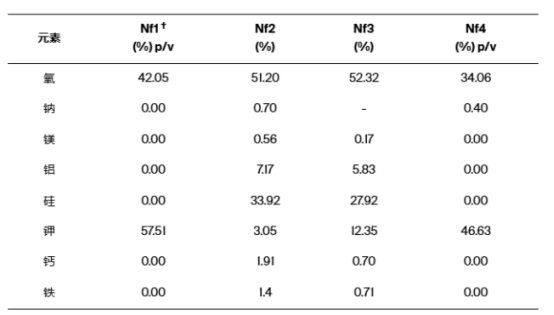
In a study on corn cultivation in acidic soils, researchers impregnated natural attapulgite with potassium citrate nanoparticles to develop a "slow-release potassium nanofertilizer system." Results demonstrated significant increases in both exchangeable potassium and available potassium content in the soil after application, alleviation of soil acidity, and notable improvements in maize root development, biomass, and grain yield—with some treatments showing individual plant yields rising by nearly 50%. These findings further confirm that natural zeolites are not merely conventional mineral materials but functional agricultural materials capable of regulating nutrient release, enhancing soil conditions, and improving crop utilization efficiency.
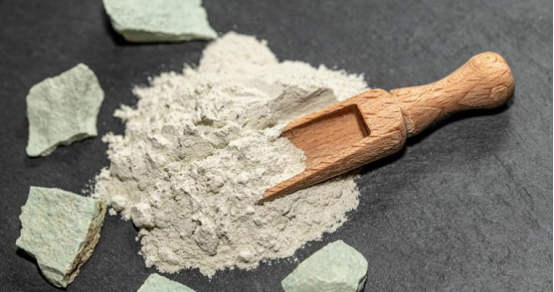
Natural zeolites are essentially a class of hydrated aluminosilicate minerals whose crystal structure features a three-dimensional framework composed of SiO₄ and AlO₄ tetrahedra, containing numerous nanoscale pores and cavities. This highly ordered microporous architecture endows them with the triple functions of molecular sieve, ion exchanger, and nutrient release carrier. By substituting some silicon atoms with aluminum atoms, which generates permanent negative charges, the zeolite framework can adsorb and exchange cations such as K⁺, NH₄⁺, Ca²⁺, and Mg²⁺, thereby forming a natural nutrient storage system.
In agricultural applications, the primary function of natural zeolites is to enhance nutrient utilization efficiency. Traditional potassium or nitrogen fertilizers often undergo rapid leaching loss upon entering the soil due to rainfall and irrigation; however, zeolites can temporarily "fix" these nutrients within their structure through ion exchange and pore adsorption, releasing them gradually according to plant requirements. This mechanism resembles that of a "fertilizer battery" or a "nutrient buffer reservoir," enabling stable soil nutrient levels while significantly reducing fertilizer loss rates.
Studies demonstrate that oblique zeolites exhibit exceptional affinity for NH₄⁺. Upon adsorbing ammonium nitrogen, zeolites reduce ammonia volatilization and nitrate nitrogen leaching, thereby enhancing nitrogen fertilizer utilization efficiency. Additionally, zeolites mitigate soil salinity fluctuations, maintain ion balance in the rhizosphere, and prevent root damage caused by localized excessive fertilizer concentrations. Their high porosity also improves soil water retention capacity, enabling gradual release of adsorbed moisture under drought conditions to alleviate crop water stress.
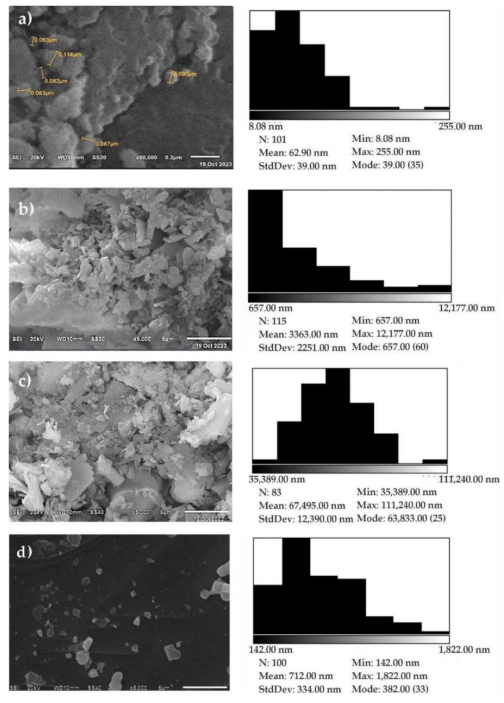
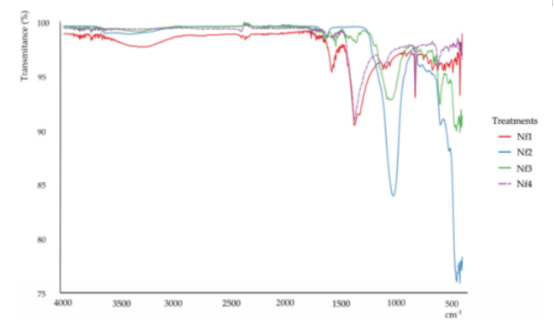
In recent years, research combining natural zeolites with nanofertilizers has further enhanced their agricultural value. Researchers developed a "slow-release potassium nanofertilizer system" by impregnating potassium citrate nanoparticles into diatrizole zeolite particles. In this system, the natural zeolite serves not only as a carrier but also regulates potassium ion release behavior through its microporous structure. Scanning electron microscopy (SEM) revealed that potassium citrate nanoparticles adhere to and crystallize within the zeolite pores and surface structures; Fourier transform infrared spectroscopy (FTIR) confirmed the formation of a stable interfacial bond between potassium citrate and the zeolite.
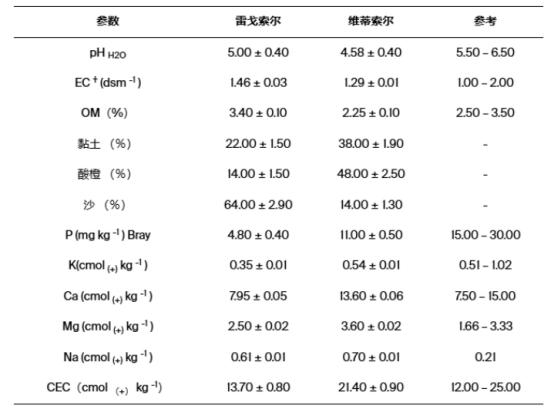
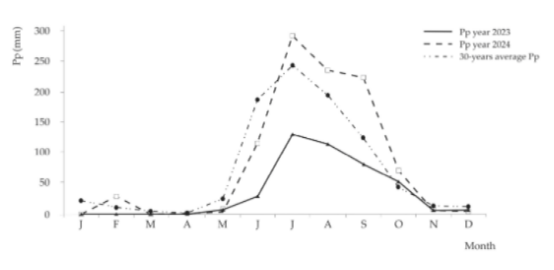
In corn cultivation trials on acidic soils, the potassium citrate-soaked diaspore zeolite demonstrated remarkable efficacy. Following application, soil pH gradually shifted from strongly acidic to moderately acidic, with significant increases in both exchangeable potassium and available potassium concentrations, accompanied by synchronous rises in potassium and nitrate levels in corn leaf stalk sap. Particularly when applied 40 days after sowing, the crop exhibited optimal potassium absorption efficiency, ultimately achieving a single-stem grain yield of 216.9 g—a improvement of nearly 50% compared to the control group.
This yield-enhancing mechanism fundamentally stems from the natural zeolite's ability to regulate the spatiotemporal release of nutrients. During the later stages of vegetative growth and grain filling, crop demand for potassium rapidly increases, whereas conventional potassium fertilizers have often been depleted by this stage. Zeolite, however, can continuously and slowly release potassium ions, maintaining their high availability throughout critical growth phases. This promotes photosynthesis, enzyme activation, cell expansion, and carbohydrate transport, ultimately enhancing dry matter accumulation and grain formation efficiency.
Beyond crop cultivation, natural zeolites are widely utilized in animal husbandry. Due to their strong capacity to adsorb NH₄⁺ and ammonia gas, they are commonly added to the diets of poultry, pigs, cattle, and sheep. Studies have demonstrated that adding 1%–2% diatomeaceous zeolite to feed significantly reduces ammonia concentrations and unpleasant odors in livestock housing while improving intestinal health. The mechanisms of action include slowing food passage velocity, increasing small intestinal villus height, enhancing nutrient absorption surface area, and stabilizing gut microbiota balance.
In ruminants, natural zeolites can stabilize rumen pH levels, reduce the risk of acidosis, and enhance non-protein nitrogen utilization. Due to their high cation exchange capacity, zeolites temporarily adsorb NH₄⁺ generated during urea decomposition and gradually release it for utilization by rumen microorganisms, thereby improving amino acid and protein synthesis efficiency. This "slow-release nitrogen reservoir" mechanism not only enhances feed conversion rates but also mitigates environmental pollution caused by nitrogen emissions.
Furthermore, natural zeolites can adsorb mycotoxins, heavy metals, and harmful metabolites. Numerous studies have demonstrated that diaspore zeolite exhibits excellent binding capacity for mycotoxins such as aflatoxin, thereby reducing toxin absorption in the animal intestine, which in turn decreases the need for antibiotic use and improves animal health. Consequently, zeolites have been widely incorporated into antibiotic-free farming systems in certain regions of Europe.
From the perspective of materials science, the true advantage of natural zeolites extends beyond mere "adsorption"; they possess a comprehensive range of functions encompassing adsorption, storage, exchange, and controlled release. Their nanoscale pore structure, high specific surface area, and stable framework make them a rare natural mineral in agriculture that combines properties such as fertilizer efficacy regulation, soil remediation, environmental remediation, and eco-friendliness.
As modern agriculture shifts from "high input" to "high efficiency" and "green circularity," natural zeolites are evolving from traditional mineral materials into a functional platform for agriculture. They demonstrate significant application potential across various fields, including controlled-release fertilizers, soil improvement, livestock farming, and agricultural environmental management. In the future, when integrated with nano-fertilizers, biological stimulants, microbial preparations, and smart fertilization systems, natural zeolites are poised to further advance agriculture toward lower losses, higher resource utilization rates, and sustainability.