I. Research Background: Multifunctional Applications and Environmental Sustainability of Natural Zeolites
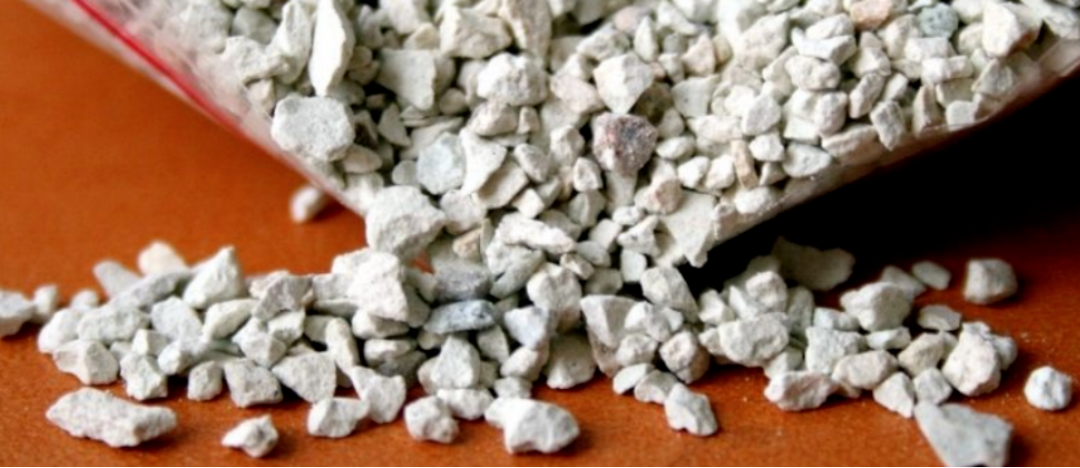
In global agricultural production, particularly in poultry farming, the use of natural feed additives has become a key strategy for enhancing production efficiency, improving animal health, and reducing environmental impact. As concerns about antibiotic use grow, identifying natural and multifunctional alternatives has become imperative. Zeolites, as natural aluminosilicate minerals, have garnered significant attention in agriculture in recent years due to their exceptional ion-exchange capacity, porous structure, and low cost. In poultry farming specifically, zeolites are recognized for effectively improving nutrient utilization, enhancing intestinal health, and reducing ammonia emissions. Beyond adsorbing and removing harmful environmental substances, zeolites also utilize their inherent adsorption properties to regulate mineral elements in feed, thereby improving feed utilization efficiency.
II. Research Design and Methods: Dose-Dependent Effects of Zeolites on Production Performance of laying Hens
This study was conducted by a team comprising Zekrayat J. H. Medras, Hanan S. Khalifa, Muhammad Farghali, and other researchers, aiming to evaluate the effects of zeolite additives on the production performance, egg quality, carcass quality, bedding quality, and intestinal microbiota of Fayaumi laying hens. The study utilized 360 40-week-old Fayaumi laying hens, randomly assigned to four experimental groups (three replicates per group), with additive doses set at 0 (control group), 10,15, and 20 g/kg zeolite, over a 16-week experimental period.
The core objectives of the research include:
Assess the effects of zeolite on the body weight, weight gain, growth rate, and feed conversion rate of laying hens;
Analyze the effect of zeolites on laying performance (including egg production, egg weight, and egg quality).
Observe the effects of zeolite on improving intestinal microbiota, bedding quality, and ammonia emissions.
III. Research Findings: Natural Zeolites Improve Production Performance and Fruit Quality in Laying Hens
1. Feed intake and feed conversion rate
The study results demonstrated that the feed group supplemented with zeolite exhibited significant differences in feed intake (FI), with the effect of zeolite addition being dose-dependent. Compared to the control group, treatment groups receiving 10–20 g/kg of zeolite significantly improved feed conversion ratio (FCR) and demonstrated optimal growth efficiency (P <0.001). These findings indicate that zeolite enhances the healthy growth of laying hens by improving feed utilization efficiency.
2. Growth Traits and Egg Production Characteristics
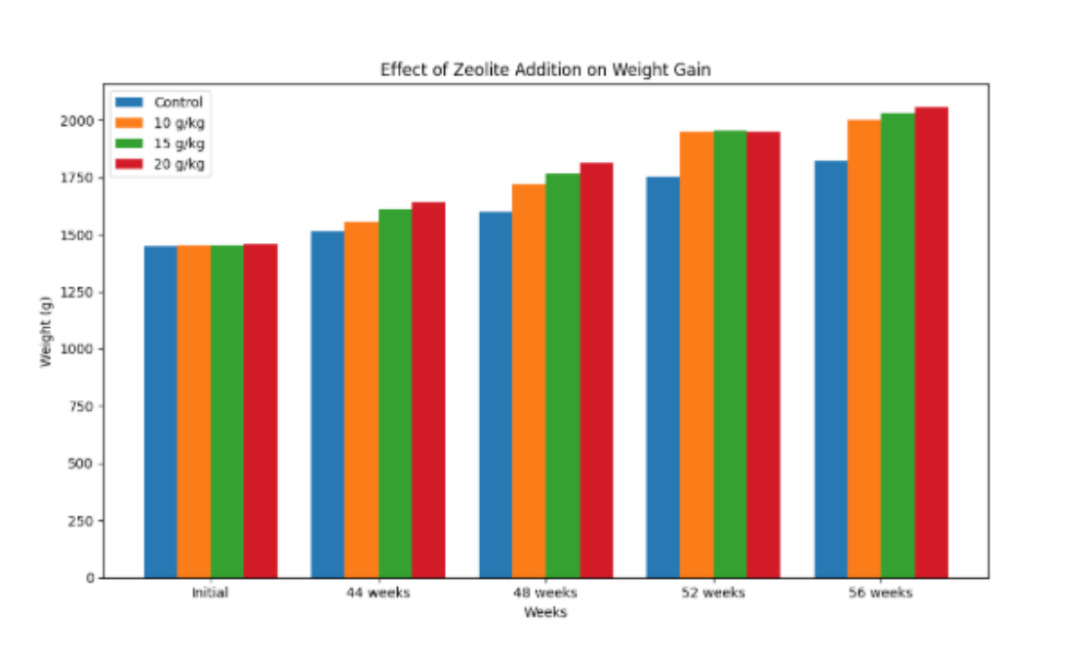
In terms of body weight (BW), daily weight gain (BWG), and growth rate, the 20 g/kg zeolite group demonstrated the most outstanding performance. Chickens supplemented with zeolite exhibited a significant increase in body weight, an overall improved growth rate, and enhanced feed conversion ratio (FCR). Egg production performance was also markedly improved, particularly in egg weight and shell quality. The 20 g/kg zeolite treatment group achieved the highest egg weight (50.77 g) and a laying rate of 68.23%, substantially higher than the 48.80% in the control group.
3. Improvement of body characteristics
The addition of zeolite significantly improved the carcass characteristics of chickens. Compared to the control group, the zeolite-treated group exhibited significant increases in carcass weight, proportion of edible parts, and weight of immune organs (such as the thymus and spleen). Additionally, the abdominal fat percentage was reduced, demonstrating the positive effect of zeolite on fat metabolism.
3. Improvement of Egg Quality
The addition of zeolite improved various quality indicators of eggs, including yolk quality, shell thickness, protein quality (measured in Haugh units), and egg shape index. Notably, in the treatment group supplemented with 20 g/kg of zeolite, both the yolk index and shell quality showed significant improvement, manifested as higher protein quality and a harder shell.
5. Improvement of the intestinal microbiota
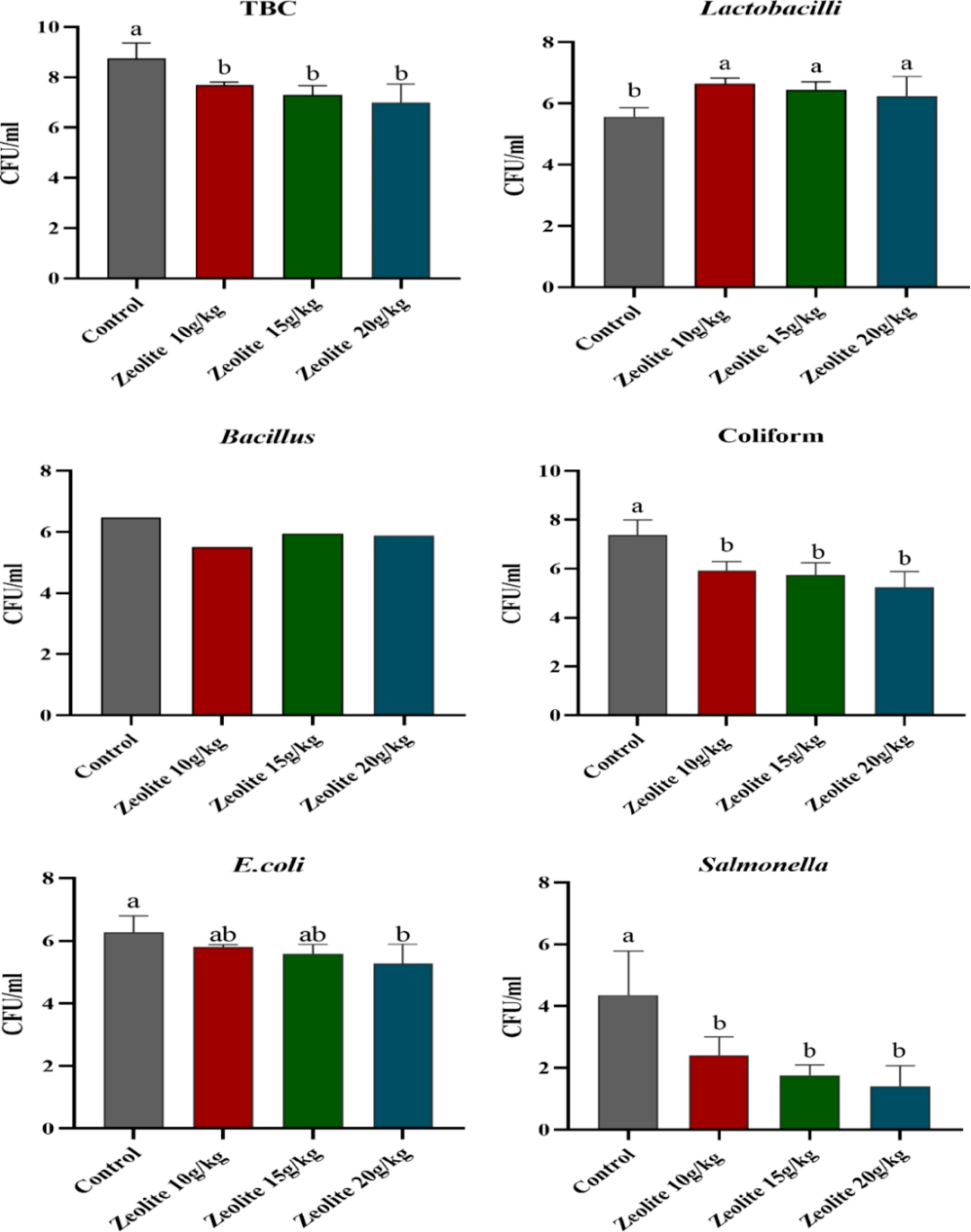
The addition of zeolite also exerted a positive effect on the intestinal microbiota. Studies demonstrated that zeolite significantly reduced the counts of coliform bacteria, Escherichia coli, and Salmonella, while increasing the abundance of Lactobacillus. These findings indicate that zeolite contributes to regulating intestinal microbial balance, inhibiting the growth of pathogenic bacteria, and enhancing intestinal health.
IV. The Role of Zeolites in Improving Pad Material Quality and Environmental Conditions
Zeolites not only demonstrate potential in enhancing the production performance and health of laying hens but also significantly improvepacking;padding quality. Research findings indicate that zeolite addition markedly reduces ammonia concentration, pH level, and moisture content inpacking;padding , thereby contributing to reduced environmental pollution and improved animal welfare. This effect is particularly crucial in intensive farming practices, where minimizing ammonia emissions is key to enhancing animal health and production performance.
V. Conclusion: Multiple Benefits of Natural Zeolites in Layer Chicken Farming
This study demonstrates the multiple benefits of natural zeolite as a feed additive in Fayoumi laying hen feed. The addition of zeolite not only enhances laying hen production performance and improves egg quality but also effectively regulates intestinal health and bedding quality while reducing ammonia emissions. As the benefits of zeolite are further elucidated, its application in poultry farming may emerge as a more sustainable strategy for fertilizers and feed additives, thereby reducing reliance on chemical fertilizers and antibiotics and promoting environmentally friendly, efficient farming practices. The findings indicate that natural zeolite significantly improves laying hen productivity, elevates egg quality, enhances intestinal health, and delivers additional ecological benefits to the farming environment by optimizing bedding quality. These insights provide a scientific foundation for future zeolite applications in poultry farming and advance sustainable agricultural practices.