Research Background: Integration of Natural Zeolites into Animal Nutrition Systems
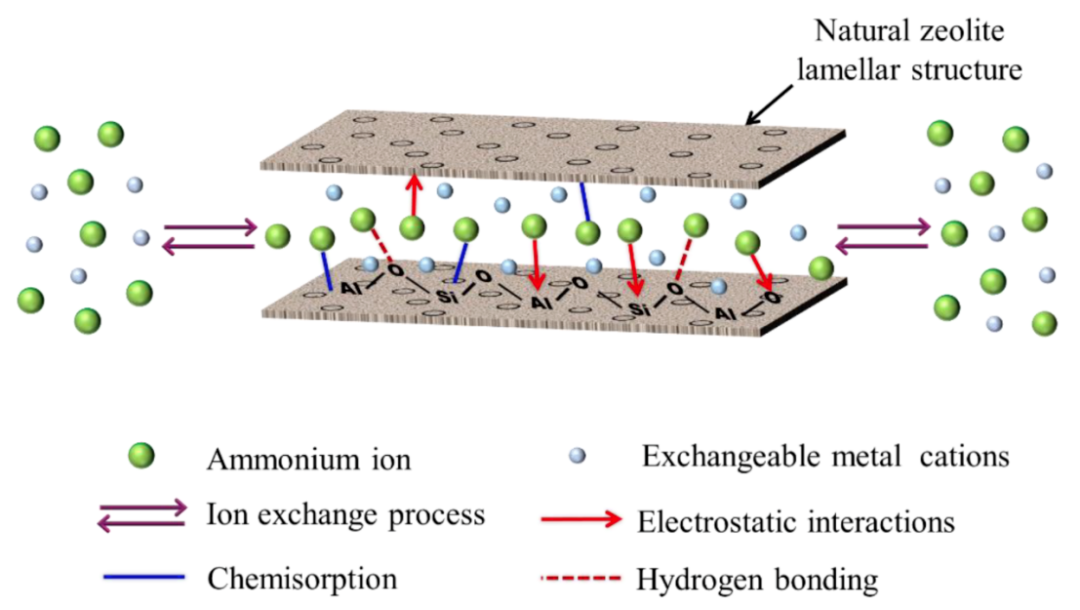
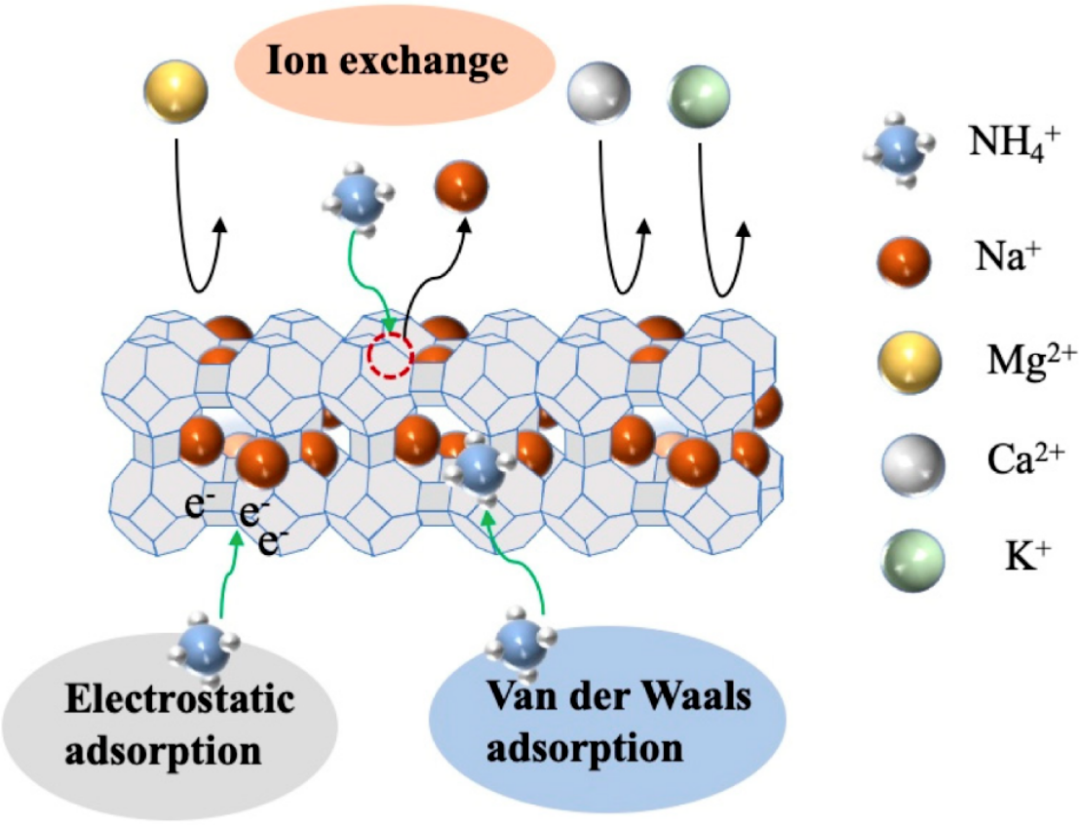
Zeolite, a natural aluminosilicate mineral, was first discovered in 1756 by Axel Frederick Cronstedt. Its name derives from the Greek words "zeo" (to boil) and "lithos" (stone), reflecting its property of releasing water when heated. Its unique crystal structure, composed of nanoscale pores and cavities, endows it with remarkable adsorption and ion-exchange capabilities.
In the field of animal nutrition, natural zeolites (particularly diatrizole zeolites) have increasingly emerged as a prominent research focus for replacing antibiotics and functional feed additives due to their potential in toxin binding, ion balance regulation, and improvement of the digestive environment. With the escalating issue of antibiotic resistance, researchers have begun exploring the application value of zeolites in enhancing animal health and production performance.

Multiple studies have demonstrated that zeolites are not only applicable in animal husbandry but also hold potential applications in companion animals such as dogs and cats, particularly in terms of intestinal health regulation, metabolic optimization, and immune enhancement.
II. Experimental Design: Long-term Feeding Study and Control Study in Canines
Representative of this approach is the 2013 study by Januskevicius et al., which involved 10 adult female German Shepherds aged 2–4 years, weighing approximately 25–30 kg, all in good health.
The experiment randomly divided the dogs into two groups:
Control group: Standard complete feed
Experimental group: Feed supplemented with 1.5% diaspore zeolite
The entire research cycle covered different physiological stages of dogs, including non-pregnancy, pregnancy, and lactation periods, to comprehensively evaluate the effects of zeolites under various metabolic conditions. The study focused on three core indicators:
Digestion and stool characteristics
Nutrient absorption efficiency
Blood Metabolism and Health Indicators
All experimental conditions were kept consistent to ensure that any differences in results stemmed solely from the zeolite additive.

III. Core Findings: Zeolites significantly improve digestive and excretory functions
The experimental results demonstrated significant improvement in canine digestive performance following zeolite supplementation. Firstly, regarding fecal characteristics, the experimental group exhibited more compact stools with markedly reduced water content and an increase in dry matter content by approximately 2%–3%. This improvement remained consistent throughout non-pregnancy, pregnancy, and lactation periods, indicating that zeolite continuously enhances intestinal absorption and water regulation capabilities. Secondly, fecal odor was significantly attenuated—a phenomenon typically associated with optimized intestinal microbial metabolism—suggesting that zeolite may exert its effects by adsorbing harmful metabolites or modulating microbial community composition. Overall, zeolite substantially improved canine intestinal function and excretory quality without altering feed formulation, demonstrating direct practical value in clinical practice.
IV. Nutrient Absorption and Metabolism: Zeolite Enhances Utilization Efficiency
In terms of nutrient absorption, zeolite demonstrated a stable yet mild promoting effect. During non-pregnancy stages, experimental dogs showed approximately 1%-3% increased absorption rates for organic matter, proteins, and carbohydrates. This effect became more pronounced during lactation, with total dry matter absorption rate rising by about 5% and mineral absorption rate increasing by around 2%. Although the improvement was modest, such sustained incremental gains hold significant implications in animal nutrition science, indicating overall optimization of feed utilization efficiency. Additionally, the study revealed that zeolite effectively stabilized nutrient absorption processes without adverse effects across different physiological stages, demonstrating excellent adaptability and safety profiles.
V. Blood Parameters and Health Status: Metabolic Optimization and Safety Validation
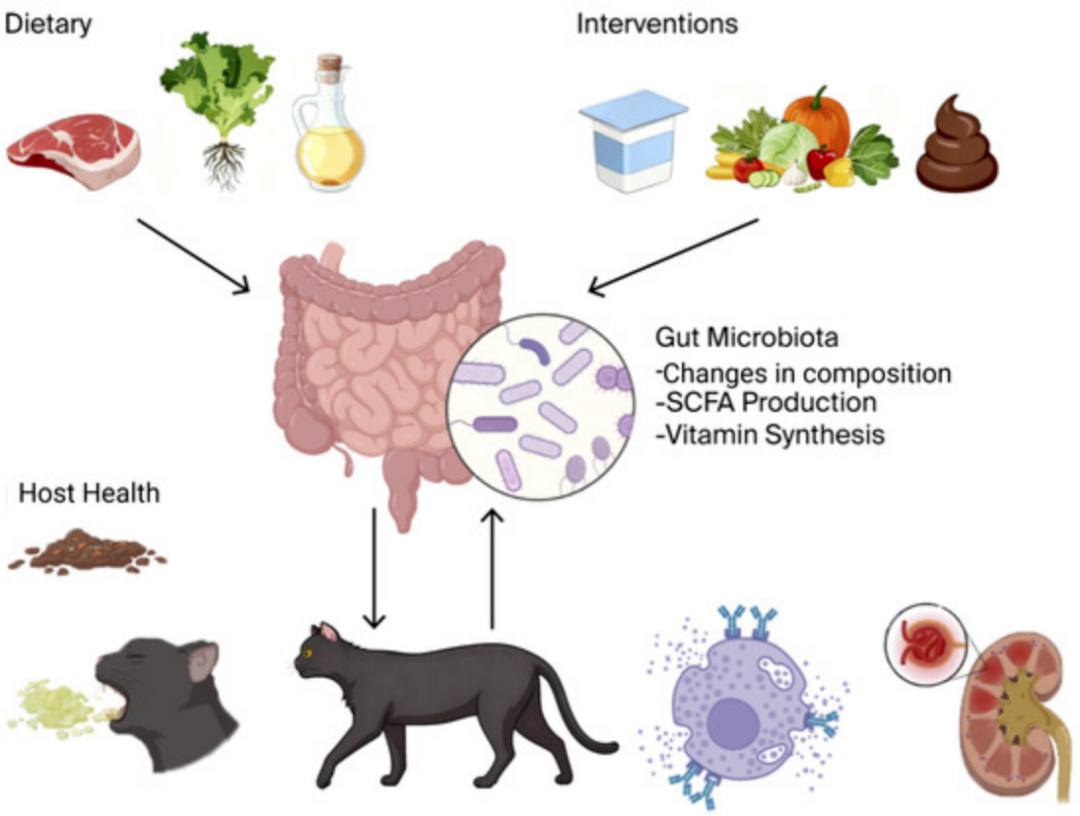
The blood test results further validated the physiological effects of zeolite. In the experimental group, the total blood protein content increased by approximately 5%–6%, blood glucose levels decreased by about 16%, and cholesterol levels dropped by approximately 5%. Concurrently, blood calcium levels rose by approximately 13%. These changes remained within normal physiological ranges but exhibited a clear optimizing trend. These findings indicate that zeolite not only does not impose a burden on animal health but may also enhance overall health by improving nutrient absorption and metabolic status. Throughout the experiment, no adverse reactions were observed in any dogs, further demonstrating the high safety profile and excellent tolerability of zeolite as a feed additive.
VI. Comprehensive Conclusion: Natural Zeolites Possess Multidimensional Functional Values
Comprehensive research findings demonstrate that natural zeolites exhibit multifaceted benefits in canine and feline nutrition. On one hand, they significantly improve the intestinal environment and fecal quality by adsorbing toxins and regulating water balance; on the other hand, they positively influence animal metabolic status by enhancing nutrient absorption efficiency and optimizing blood parameters. Additionally, zeolites demonstrate potential antibacterial, antiviral, and immunomodulatory properties, such as inhibiting viral replication, reducing tumor incidence, and strengthening immune responses (Valpotic et al., 2017). Overall, natural zeolites are not only safe mineral additives but also comprehensive materials with digestive regulation, metabolic optimization, and health-supporting functions, demonstrating broad application potential in modern animal nutrition systems.