Animal Science Archives: Evaluation of the Actual Efficacy of Natural Zeolites as Feed Additives
I. Research and Publication: Assessment of Natural Minerals Entering the Nutritional System of Dairy Cows In
2025, "Animal Science Archives"(Archivos de Zootecnia,An empirical study on natural mineral feed additives was published in Volume 74, Issue 288, pages 306–316. The study was conducted by Rosendo-Ponce A. and his team at the Graduate School and Autonomous University of Mexico, with the experimental site located in the Cotac스트ela region of Veracruz State, Mexico.

This study focuses on tropical Creole dairy cows to evaluate the effects of a composite additive (ZB) containing natural mineral materials—zeolite and bentonite—on milk production performance and chemical composition of milk. The research background stems from local farming practices: in tropical regions, feed additives are commonly used to improve animal health and production efficiency. Zeolite, due to its adsorption properties and ion exchange capacity, is considered to have potential regulatory effects on the digestive environment and enhanced nutrient utilization.

II. Experimental Design: Feed Intervention Centered on Natural ZeolitesThis study enrolled 24 tropical Creole dairy cows and employed a complete control design with three treatment levels: no mineral addition (0 g), addition of 200 g, and addition of 400 g of zeolite-bentonite mixture. All trial cows were fed a corn silage-based basal diet supplemented with commercial concentrate containing 18% protein, with a trial duration of 64 days.。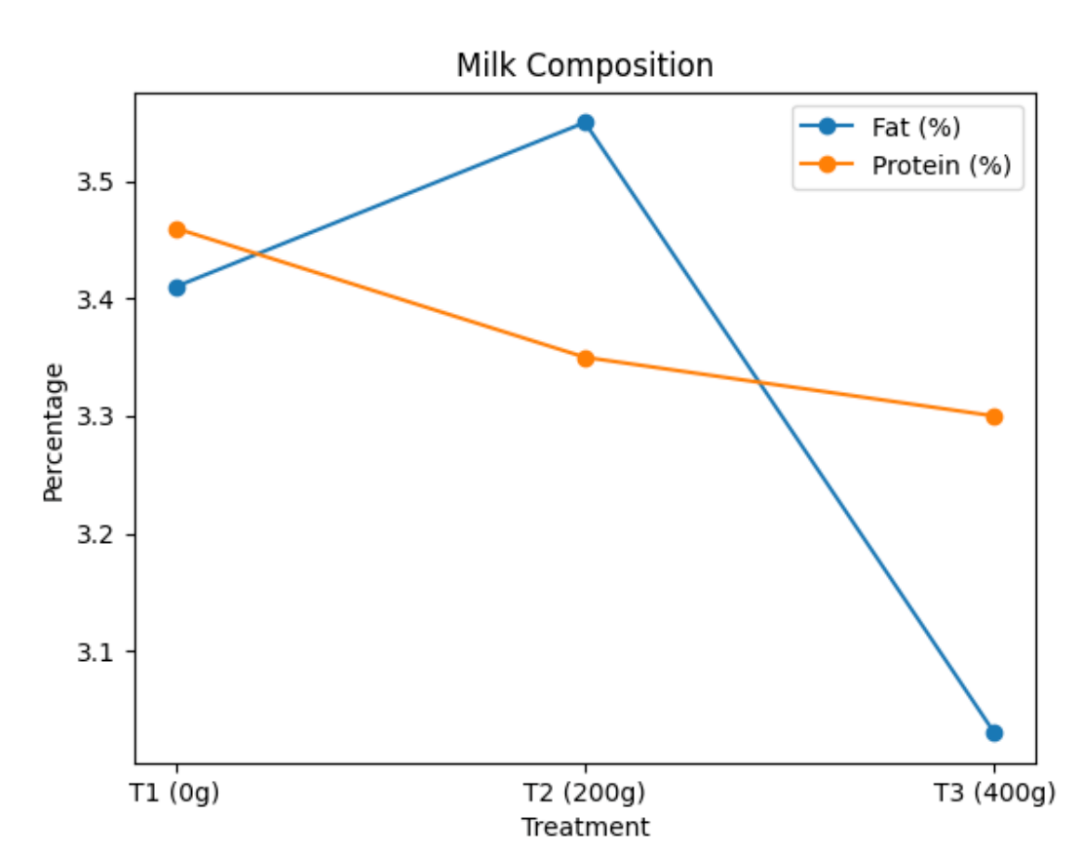
Throughout the experimental process, the research team conducted systematic monitoring of multiple key indicators, including daily milk yield, milk fat percentage, milk protein percentage, mineral content, lactose content, as well as non-fat solids and total solids content. To more accurately reflect nutritional conversion efficiency, the study also converted each component into output metrics expressed as "g/head/day." Statistical analysis was performed using a mixed linear model constructed in R language to ensure the reliability of the results.
III. Core Findings: Zeolites have a limited impact on milk production performance
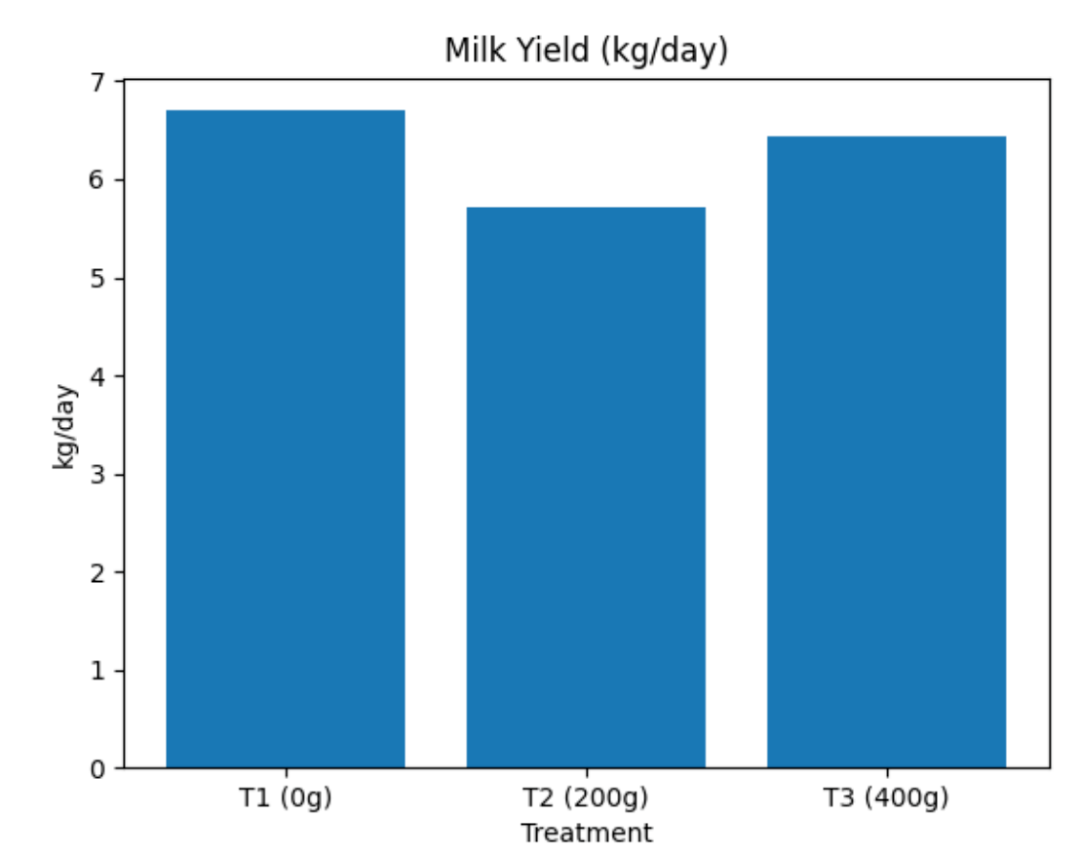
The research results demonstrated that under experimental conditions, the composite additive containing zeolite and bentonite did not significantly alter milk production in dairy cows. The daily milk yields across the three treatment groups were 6.70,5.72, and 6.44 kg/d, respectively, with statistical analysis showing no significant differences (p≥0.05). These findings indicate that, within this feeding system and dosage range, natural zeolite did not enhance the overall milk production capacity of dairy cows.
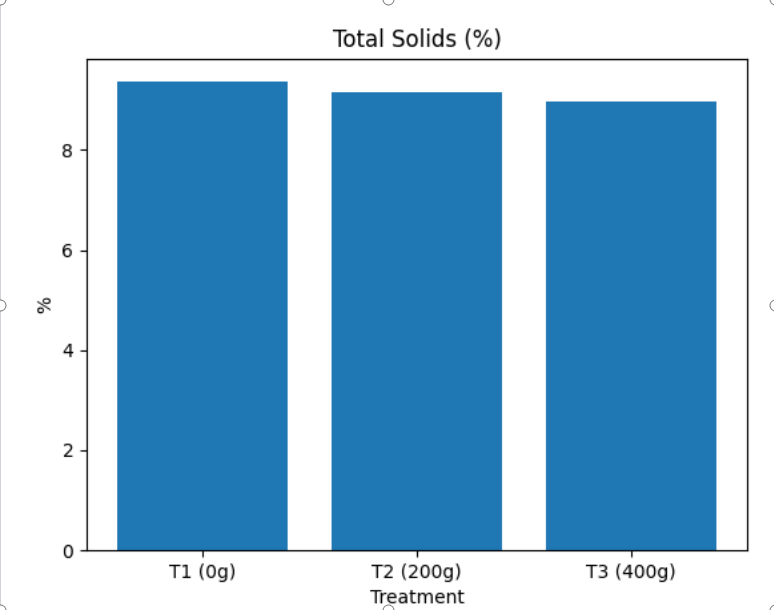
Regarding the chemical composition of milk, zeolites also showed no significant impact. The contents of milk fat, milk protein, minerals, and lactose exhibited minimal variation across different treatment groups, with none reaching statistical significance. The only notable difference was observed in total milk solids content, though the variation remained limited without demonstrating a consistent upward trend. Overall, natural zeolites as additives did not substantially alter milk quality characteristics.
IV. Digestion and Rumen Environment: Zeolite Did Not Alter Key Physiological Parameters
In addition to milk production indicators, the study also evaluated the effects of zeolite on the digestive system of dairy cows, including key parameters such as in vitro dry matter digestibility, fiber residue levels, and rumen pH. The results showed that no significant differences were observed in these indicators regardless of the variation in additive dosage.
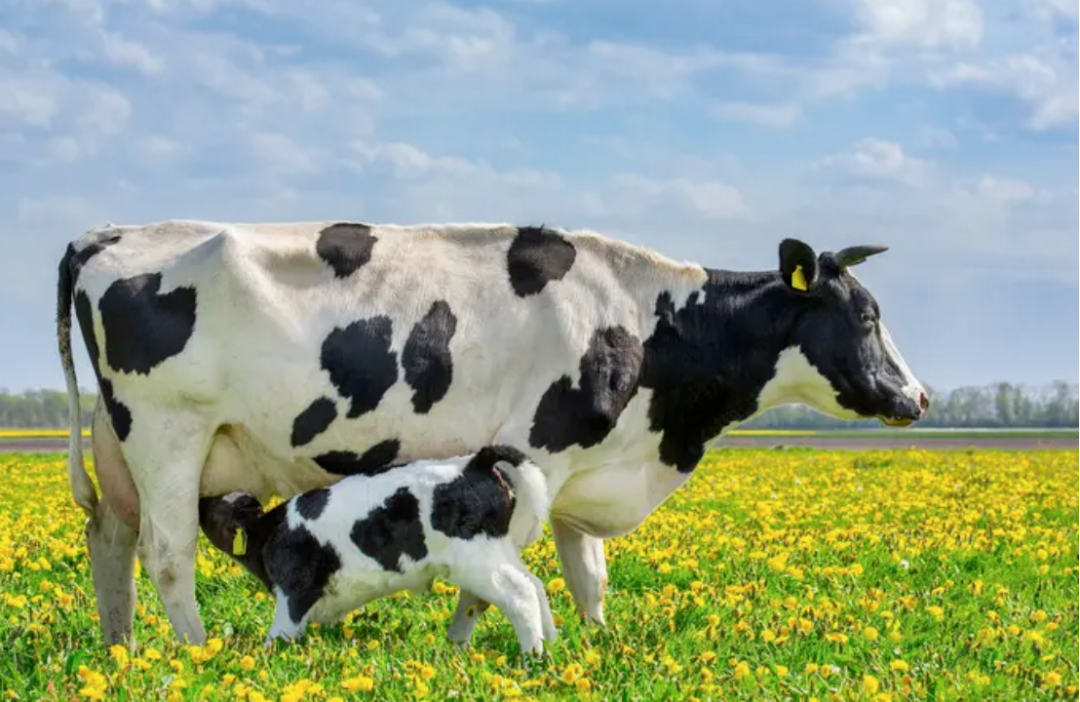
Specifically, the dry matter digestibility remained within the range of approximately 30%–32%, and the residual levels of neutral detergent fiber (NDF) and acid detergent fiber (ADF) showed no systematic changes. Concurrently, the rumen fluid pH stabilized around 6.6, indicating that zeolites did not significantly modulate the ruminal fermentation environment. This finding contrasts with their theoretical "buffering and adsorption functions," suggesting that their actual efficacy in vivo may be limited by dosage or feeding conditions.
V. Conclusion: Natural zeolites exhibited the role of "neutral additive" in this system.
Based on comprehensive analysis of the results, the research team concluded that under the experimental conditions, the composite mineral containing zeolite and bentonite did not significantly affect dairy cows' milk production, milk chemical composition, or digestive utilization efficiency. In other words, natural zeolite exhibited a "neutral additive" effect in this application scenario, neither providing notable benefits nor causing adverse effects.
This conclusion highlights a critical reality: although natural zeolites theoretically possess the potential to adsorb toxins, regulate ion balance, and improve the digestive environment, their actual efficacy remains highly dependent on specific application conditions, including feed composition, additive dosage, and animal breed. In the tropical Creole dairy cow system, their functional effects were not significantly demonstrated.