Natural Zeolite "Heat Battery" Achieves Low-Energy Consumption Cooling for Data Centers
I. From Minerals to Cooling Systems: Zeolites in Data Center Applications
On March 17,2026, a groundbreaking study addressing high energy consumption in data centers garnered significant attention. Researchers from New York University's Tandon School of Engineering proposed a natural mineral zeolite-based cooling solution that converts industrial waste heat into usable cooling capacity through a "thermal battery" system. Led by Assistant Professor Dharik Mallapragada from the Department of Chemical and Biomolecular Engineering, the research was jointly conducted with materials science researcher Pavel Kots and postdoctoral fellow Gilvan Farias Neto. The findings have been published as a scientific paper and systematically evaluated through computational modeling.
The research stems from an increasingly prominent practical issue: while data centers power artificial intelligence, cloud computing, and digital storage, a significant portion of their electricity is not used for computing itself but rather consumed by cooling systems. Traditional cooling methods rely on compression chillers, which not only consume substantial amounts of electricity but also continuously emit heat. To address this, the research team sought to fundamentally transform the cooling approach, shifting the focus from "using electricity for cooling" to "utilizing heat for management."
II. Material Mechanism: Adsorption and Thermal Storage Cycle of Natural Zeolites
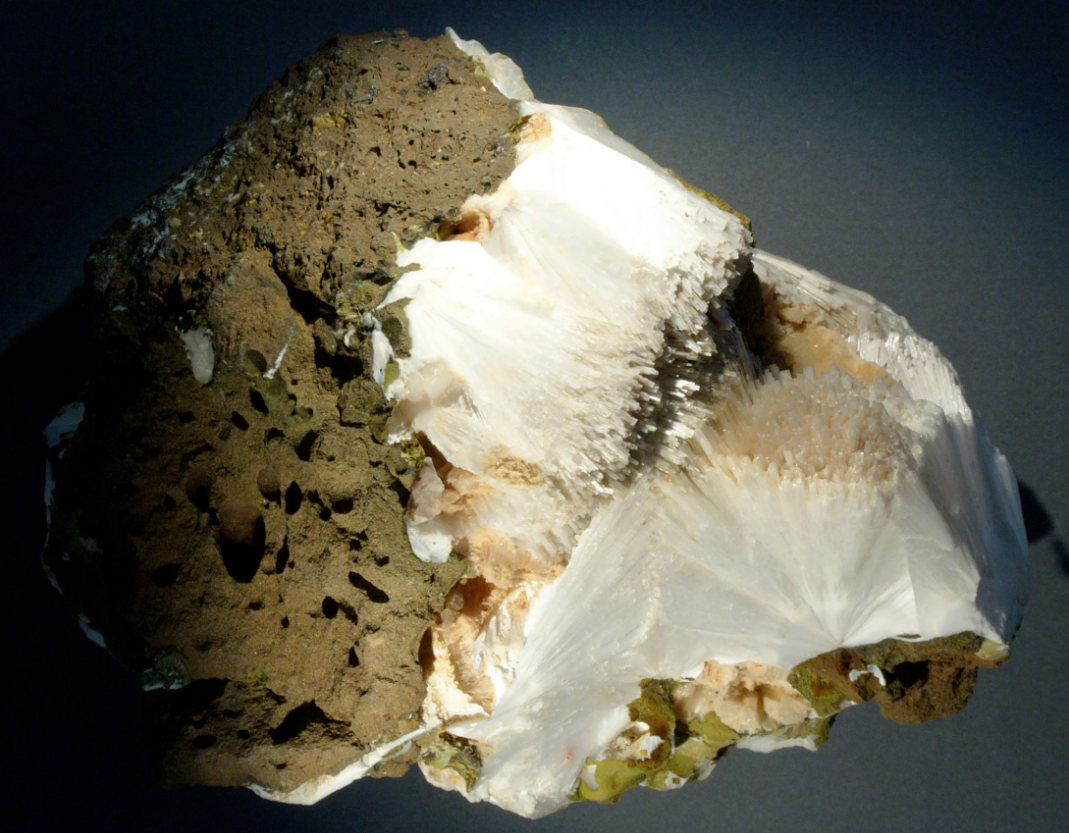
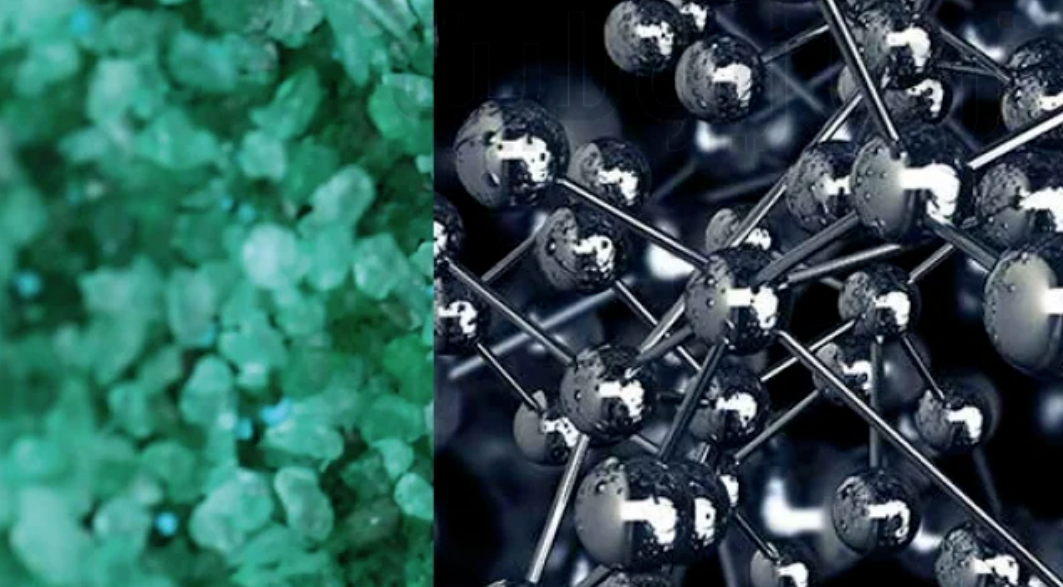
The core of this solution lies in natural zeolite, a porous crystalline material. Its internal structure contains numerous nanoscale pores that enable efficient water vapor adsorption. When dry zeolite comes into contact with water vapor, it rapidly absorbs moisture and releases heat; upon heating, the moisture is released, and the material returns to its original state, allowing for repeated use. This "adsorption-desorption" cycle endows zeolite with energy storage properties similar to those of a battery, leading the research team to refer to it as a "thermal battery."
Unlike traditional thermal storage materials, the energy stored in zeolites does not dissipate over time but remains stably retained within the material structure until released upon re-exposure to moisture. This property makes zeolites suitable not only for short-term energy conversion but also for long-term storage and even cross-regional transportation. In industrial applications, zeolites have long been used in water treatment and petroleum refining; their low cost and stable availability provide a practical foundation for implementing such systems.
III. System Operation: Cooling Cycle Driven by Industrial Waste Heat
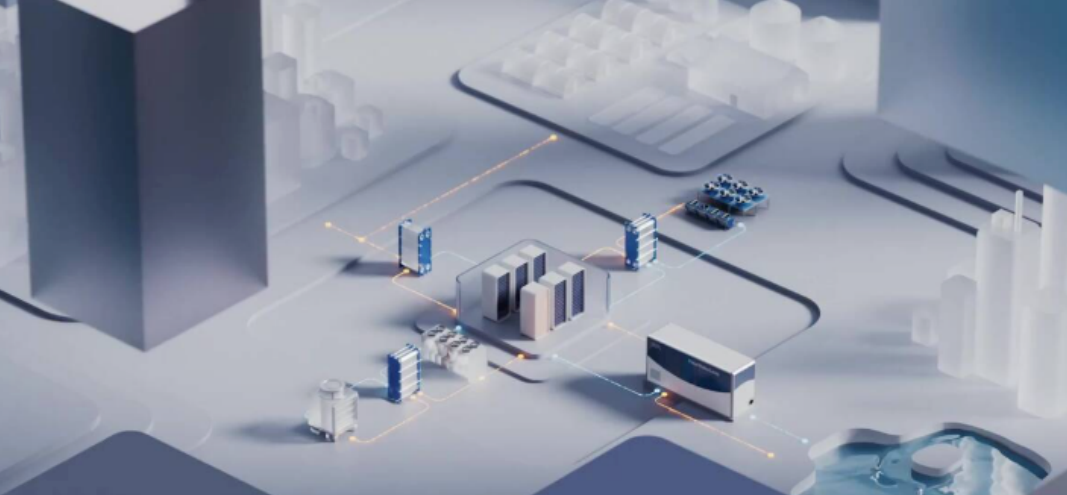
During actual operation, the system first completes the "charging" process at industrial facilities. Sites such as chemical plants or refineries generate substantial amounts of waste heat below 200°C, which is typically discharged directly. In this solution, this waste heat is utilized to heat zeolites, enabling their dehydration and energy storage. The evaporated moisture is condensed and recovered, while the charged zeolites are transported to data centers.
When the zeolites reach the data center, the process reverses. The hot air generated by server operations or cooling water provides steam, which the dried zeolites absorb, effectively removing ambient heat to achieve cooling effects. In this process, the zeolites function as electric-free heat exchangers, replacing the dominant compression cooling systems in traditional setups. This waste heat-driven cooling mechanism fundamentally transforms energy utilization pathways.
IV. Performance Results: Significant Reduction in Power Consumption
Using thermodynamic models, the research team compared this system with traditional cooling methods. The results showed that under various operating conditions, this approach reduces the total cooling electricity consumption of data centers and industrial facilities by over 75%, with cooling power consumption for data centers alone decreasing by up to 86%. These findings indicate a significant reduction in cooling system power demand, accompanied by an approximately 12% improvement in overall Power Usage Effectiveness (PUE).
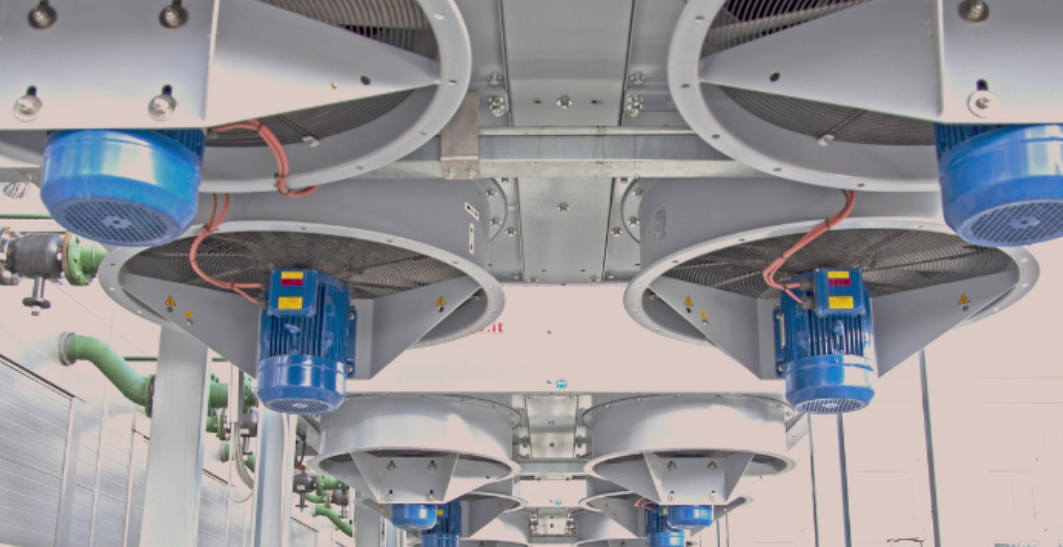
In the transportation phase, even accounting for the energy consumption required to transport large quantities of zeolites using electric trucks, the system still achieves net energy savings, with electricity savings exceeding 40% in some cases. Railway transport further reduces energy consumption. Studies indicate that this system offers significant energy advantages and is feasible for cross-regional application.
V. Water Resources and Engineering Status: Still in the Model Validation Stage
Regarding water resource management, the system's reliance on evaporative cooling mechanisms results in an overall water consumption increase of approximately 15% to 25%. However, this growth primarily occurs on the data center side, while industrial facilities experience a significant reduction in water demand as they no longer discharge waste heat through cooling towers. Additionally, moisture generated during zeolite charging processes can be recycled, enabling certain systems to operate near closed-loop conditions.
It should be noted that the solution is currently still in the modeling and proof-of-concept phase. The structural design of the zeolite adsorption bed, heat transfer efficiency, operational stability, and coordination between transportation and operation require further engineering research. The research team has begun discussions with industry partners to explore scaling up the application, but a series of technical and system integration challenges remain before practical deployment.
VI. Conclusion: The New Role of Natural Minerals in Energy Systems
This study reveals another application pathway for natural zeolites in energy systems. Leveraging their adsorption and thermal storage properties, zeolites can not only facilitate gas separation and water treatment but also serve as a medium for thermal energy storage and transfer, enabling their use in high-energy-consumption scenarios such as data center cooling. The findings demonstrate that zeolite-based systems can achieve significant energy savings without relying on traditional electrically powered cooling equipment. From a materials science perspective, this approach does not introduce complex synthetic materials but instead repurposes a well-established and widely available natural mineral. This methodology clarifies the technical pathway and provides a practical foundation for subsequent engineering implementation.