Zeolite, Engine Breathing Clean: Mazda's Mobile Carbon Capture Revolution
While the global automotive industry is racing toward electrification, Mazda in Japan has taken a different technological approach—empowering internal combustion engines to "self-purify." Confronted with stringent carbon emission regulations and the pressure of energy transition, Mazda unveiled its revolutionary Vision X-Coupe concept car at the 2025 Tokyo Motor Show. The most eye-catching innovation isn't the turbo rotor hybrid system, but a mobile carbon capture technology integrated with zeolite minerals. This technology enables vehicles to actively absorb and recycle their own CO2 emissions during operation, charting a new low-carbon path for traditional fuel-powered vehicles.
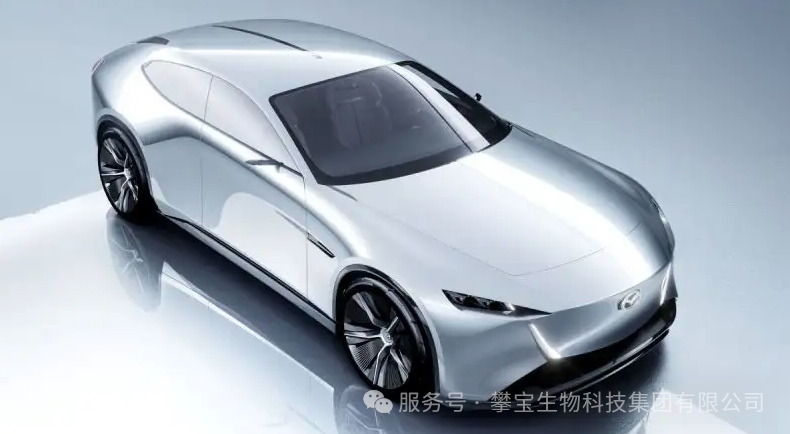
The energy efficiency of internal combustion engines has reached its limits, and even hybrid technologies and renewable fuels cannot fully eliminate carbon emissions. Global automakers are racing to develop Carbon Capture and Utilization Systems (CCUS), while Mazda has boldly integrated this concept into its vehicles. The system operates similarly to stationary carbon capture plants but is miniaturized and embedded in the vehicle's exhaust system. By installing replaceable filters in the exhaust ducts, the vehicle absorbs some carbon dioxide during emissions, achieving a 20% reduction in engine emissions. The core material for this innovation is a crystalline zeolite matrix, a mineral widely found in the Earth's crust.
The national "antibiotic-free product certification" not only serves as an authoritative endorsement of Panbao's technical system, but also signifies high recognition of its achievements in standardizing and scientifically developing ecological aquaculture. Panbao's successful practices provide verifiable and replicable green models for the high-quality development of China's marine and freshwater aquaculture industries. Furthermore, it contributes the "Panbao Solution" to achieving China's agricultural "dual carbon" goals and advancing the modernization of aquaculture.
Zeolite: From Volcanic Rock to Carbon Capture Sponge
Zeolites are natural or synthetic aluminosilicate minerals formed through prolonged reactions between volcanic ash and alkaline water. Their honeycomb-like internal structure contains countless micropores that selectively filter specific molecules. With exceptional specific surface area and cation exchange capacity (CEC), zeolites efficiently adsorb gas molecules, particularly excelling at capturing carbon dioxide, ammonia, and volatile organic compounds. In Mazda's systems, synthetic crystalline zeolites serve as the core material for carbon adsorption filters. Compared to activated carbon or metal-organic frameworks (MOFs), zeolites demonstrate superior thermal stability and chemical inertness, enabling reliable operation under high-temperature and high-pressure engine conditions. When exhaust gases pass through the filter, CO₂ molecules are trapped within the zeolite's micropores and stored in the module after drying.
Drivers can replace the filter element during maintenance, and the recovered CO₂ can be reused for industrial purposes, such as carbonate synthesis or carbon sequestration in greenhouse plants.
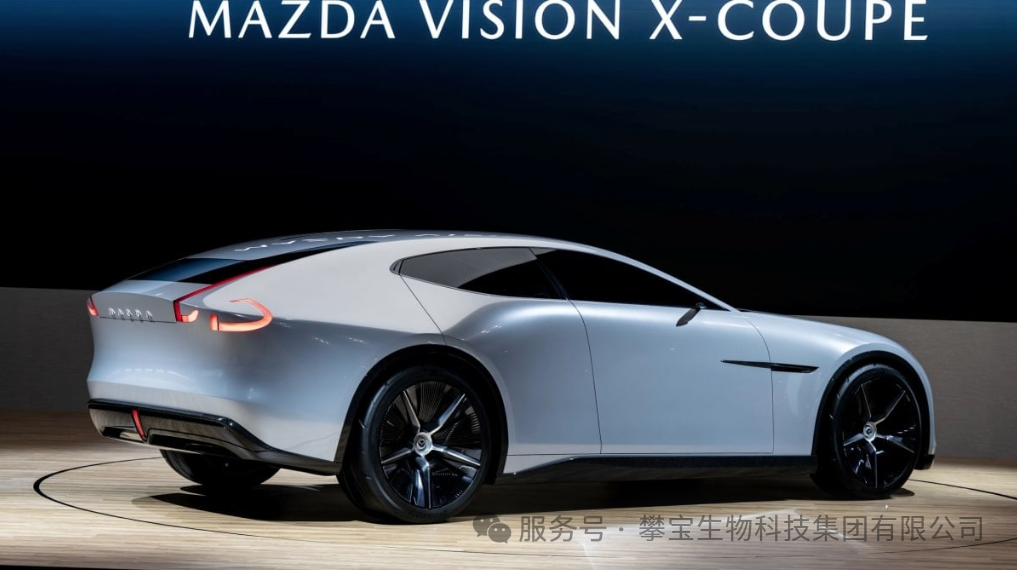
Modern vehicles are equipped with systems like EGR (Exhaust Gas Recirculation) and GPF/DPF (Granular Particulate Filters) to reduce NOₓ and particulate matter. Mazda's zeolite carbon capture system complements these existing technologies, extending pollution control to include carbon recovery. In the latest Vision X-Coupe prototype, the system adds approximately 50 kg to the vehicle's weight, resulting in a 2–3% increase in fuel consumption but a 20% reduction in overall carbon emissions. This performance trade-off demonstrates that internal combustion engines still hold potential to coexist within the carbon neutrality framework, rather than being entirely phased out.
The use of zeolites in environmental protection is far from novel. These materials have long been employed in industrial exhaust gas adsorption, radioactive waste containment, and soil nitrogen retention, establishing them as quintessential "environmentally friendly functional materials". Mazda's innovative application of zeolites as dynamic carbon capture media breathes new life into conventional mechanical systems through material science. Unlike new energy solutions that rely on rare earth elements in batteries or energy-intensive hydrogen production, this "carbon-capturing internal combustion engine" may soon strike a balance between energy efficiency and environmental impact. More significantly, it offers the automotive industry a third approach—not phasing out fossil fuels, but transforming them into cleaner alternatives.
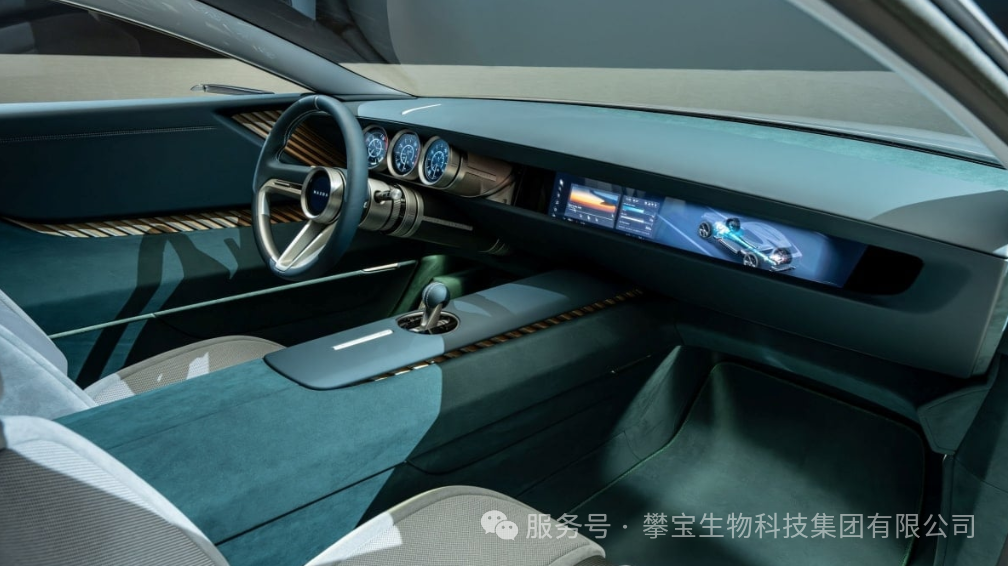
From volcanic minerals to automotive filters, zeolites transcend the boundaries of geology and engineering. Operating independently of batteries and fuel, they pioneer emission-reduction solutions for vehicles through molecular-scale physical adsorption. In the carbon-neutral era, true innovation may not lie in complete "replacement," but in revitalizing legacy technologies through scientific understanding and material ingenuity. As Mazda's pioneering work demonstrates, zeolites are more than just minerals—they serve as a bridge connecting traditional power systems with future sustainable solutions.