Zeolite: The Universal Genius of Animal Husbandry? From Volcanic Minerals to the Rise of Modern Cattle Breeding Technology
1. The New Life of Volcanic Minerals: From Ancient Rome to Modern Farm
On April 21,2025, Germany's Steinkraft GmbH published a compelling research report titled "Zeolite Applications in Cattle Farming" in its technical column. The article traces the scientific journey of this ancient mineral from volcanic rocks to modern livestock farming, highlighting its multifaceted benefits in cattle, pig, and poultry operations.
In fact, zeolite is no new discovery. As early as the Roman era, people recognized its purification and adsorption properties in volcanic rocks, using it to purify water, treat wounds, and preserve food. Modern scientific research has now reaffirmed its multifaceted genius—improving animal health and optimizing soil cycling.
2. Research of University of Leipzig: Molecular Sieve in Feed
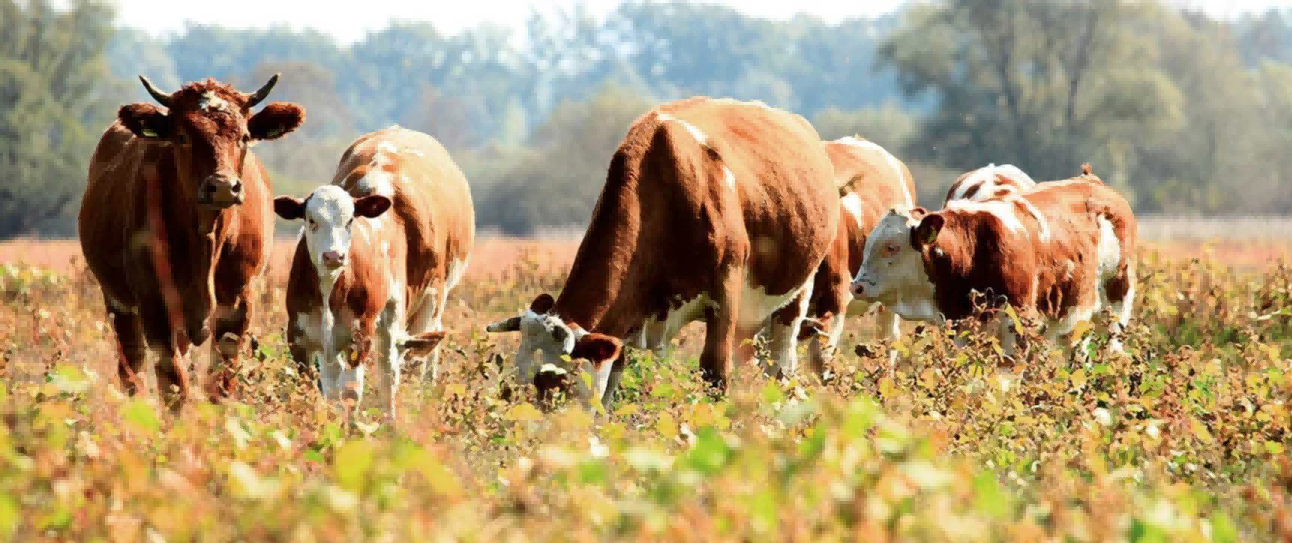
The scientific breakthrough in zeolite originated from a 2011 systematic study by the Department of Animal Nutrition at the University of Leipzig. The team supplemented silicium-rich natural zeolite powder into the diets of dairy cows and calves. The results demonstrated that dairy cows achieved an average 8%–10% increase in milk yield, with significant improvements in feed conversion efficiency, animal health indicators, reduced fecal ammonia levels, and markedly enhanced indoor air quality.
The study reveals that zeolite exhibits a "molecular sieve effect" in animal digestive systems: it adsorbs free ammonia, free radicals, and certain heavy metal ions, thereby reducing toxin accumulation. Simultaneously, cations such as sodium, calcium, magnesium, and potassium within its crystal structure are gradually released, providing ruminants with additional mineral supplementation. As researchers noted in their report: "Zeolite's micropores function not merely as filters, but rather as a' slow-release reservoir' that adsorbs harmful substances while releasing beneficial ions, thereby enhancing electrolyte balance and metabolic stability in animals."
3. Miracle in the Stall: Drying, Infection Prevention and Ammonia Deodorization
Beyond feed additives, zeolite demonstrates remarkable advantages in cattle barn management. Michaela Schirmbrand-Pfeiffer, Technical Director at Steinkraft GmbH, revealed in an interview with *Fleisch & Co*: "Our research shows that simply evenly distributing zeolite powder on calf barn floors can significantly improve air quality and reduce the incidence of pustular diseases." With its strong hygroscopicity and high specific surface area, zeolite rapidly absorbs urine and moisture to maintain dryness in barns. It also captures ammonia molecules, effectively lowering odor concentrations. This dual mechanism of physical adsorption and ion exchange makes it a natural alternative to chemical disinfectants in European livestock farming. In poultry barn experiments, zeolite bedding reduced common foot rot (mottler's foot) infection rates by approximately 40%, while enhancing feather cleanliness and respiratory health.eolites with organic fertilizers, biochar and other materials.
4. EFFECTS OF THE NATURAL ANTIBACTERIAL MINERAL ON THE EXTERNAL
Beyond oral administration and livestock applications, zeolite has demonstrated remarkable topical efficacy. According to Steinkraft's product development records, finely ground zeolite powder or zeolite-based creams can treat animal skin conditions including cuts, ulcers, eczema, and fistulas. Its hydrophilic nature enables absorption of exudates, reduces inflammation, accelerates scab formation, and exhibits mild antibacterial properties. Schirmbrand-Pfeiffer emphasized: "Zeolite keeps wounds clean and dry like natural' mineral gauze'."
Fifth, the closed loop of agricultural cycle: from the barn to the farmland
The wonders of zeolite extend far beyond animal biology. In modern sustainable agriculture, farmers are increasingly adopting "zeolite-enriched cow manure" as a high-efficiency organic fertilizer. The mechanism works by trapping ammonium nitrogen from manure within zeolite's mineral pores, preventing volatilization and enabling slow, sustained nitrogen release for optimal plant absorption. Field trials demonstrate that zeolite-treated manure enhances crop root development, deepens leaf coloration, and significantly improves soil aggregate structure. This natural "mineral-animal-soil" tripartite cycle has become a new paradigm in European green livestock farming.
5. Expert Comments and Future Outlook
The German Agricultural Association (DLG) highlighted in its 2024 White Paper on Sustainable Farming that natural zeolites are becoming a standard material in European farms, thanks to their versatility across multiple applications, zero residue risk, and environmental co-benefits.
In the future, researchers plan to explore the potential of zeolites in methane emission reduction, feed mold prevention, and regulation of ruminant gut microbiota. Preliminary experiments indicate that zeolites can adsorb certain methane precursors in ruminants, potentially reducing greenhouse gas emissions by 10%–15%.
6. Conclusion: The Agricultural Revolution of a Grain of Ore
From the purification agents of the Roman era to the ecological feed of the 21st century, the story of zeolite reflects humanity's rediscovery of natural purification. It contains no chemical additives, requires no energy, yet achieves deodorization, antibacterial properties, and environmental improvement through its physical structure.
As SteinCraft noted in their research findings: "Zeolite is more than just a mineral—it serves as a vital link between animal health and soil fertility, forming a cornerstone for livestock industry's transition toward a sustainable future."
Source: Fleisch & Co, 2020, No.2, research data from Steinkraft GmbH, experimental report on animal nutrition from the University of Leipzig (2011)