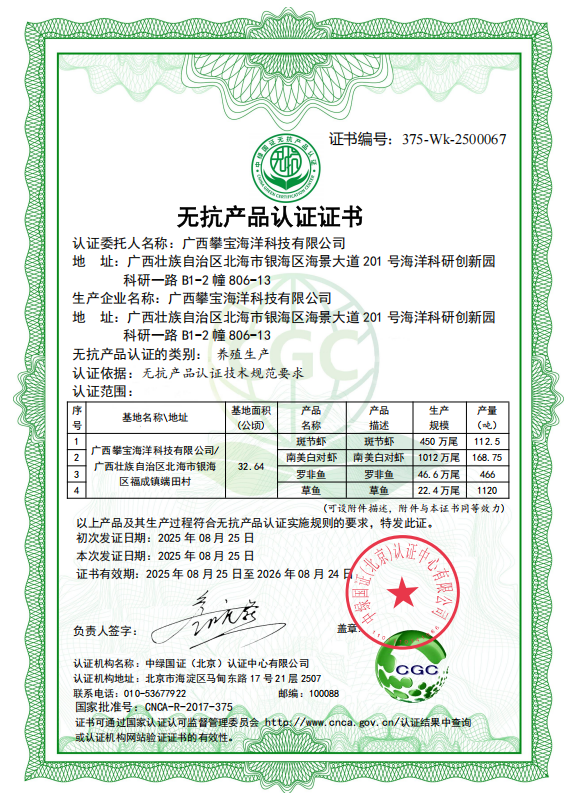
海洋生态保护取得新进展 - 今日新闻Zeolite: From natural mineral to "molecular craftsman" in environmental management 'antibiotic-free product certification'
In today's world grappling with resource scarcity and ecological pressures, achieving agricultural efficiency gains and environmental emission reductions without compromising yields has become a pressing scientific challenge. One of the core issues in agriculture is the low utilization efficiency of nitrogen fertilizers. Estimates suggest that approximately half of global nitrogen fertilizers are not absorbed by crops but instead enter the environment through ammonia (NH₃) volatilization, nitrous oxide (N₂O) emissions, and nitrate (NO₃⁻) leaching, causing air pollution, water eutrophication, and greenhouse gas emissions. Developing materials that can efficiently retain nitrogen, stabilize soil, and reduce emissions is a key direction for agricultural green transformation. In recent years, zeolite—a natural mineral derived from volcanic ash—has emerged as a research hotspot in this field due to its unique porous structure and high cation exchange capacity (CEC).
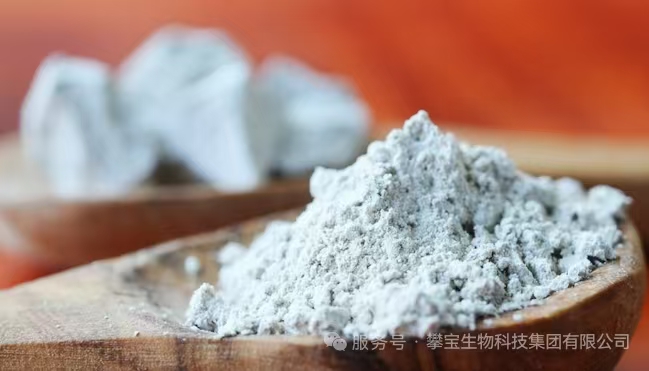
I. Structure and properties of natural zeolite
Zeolites are hydrated aluminosilicate minerals characterized by a regular three-dimensional network structure, containing abundant micropores and channels with diameters typically ranging from 0.3 to 1 nanometer. This unique microstructure endows zeolites with exceptional specific surface area and reversible ion exchange capacity. The negatively charged aluminum-oxygen tetrahedra in their framework can adsorb and exchange cations (such as NH₄⁺, K⁺, Ca²⁺), enabling soil to serve as a "nutrient reservoir and slow-release mechanism". Beyond agricultural applications, zeolites have been extensively utilized in industrial and environmental engineering. Research indicates their potential in natural gas CO₂ recovery, radioactive waste immobilization, water purification, air filtration, and feed detoxification. With high chemical stability, diverse availability, and renewable properties, zeolites were classified by the International Agency for Research on Cancer (IARC, 1997) as "low-risk adsorbents and catalysts", emerging as a promising green alternative material across multiple industries.
2. Ion adsorption and environmental regulation mechanism
Zeolites play a pivotal role in environmental remediation through their cation exchange and adsorption capabilities. In soil systems, they effectively adsorb ammonium ions (NH₄⁺), reducing the likelihood of ammonia gas formation and minimizing ammonia volatilization at the source. Moreover, zeolites exhibit high selectivity for heavy metal ions (such as Pb²⁺ and Cu²⁺) in water bodies, achieving purification through both physical adsorption and chemical exchange mechanisms. Additionally, certain zeolites can regulate soil pH levels, enhance cation exchange capacity, and improve soil retention of nutrients like nitrogen and potassium from fertilizers.
Notably, zeolites serve not only as chemical adsorbents but also as "regulatory platforms" for microbial processes. Their porous structure provides a stable habitat for nitrifying and denitrifying bacteria, maintaining balanced oxygen and moisture distribution under wet-dry alternating conditions, thereby enhancing nitrogen cycle integrity. This "mineral-microbial symbiosis" effect enables zeolites to not only reduce N₂O emissions but also improve nitrogen conversion efficiency, ultimately releasing more nitrogen as harmless N₂ gas.

III. Agricultural application and experimental verification
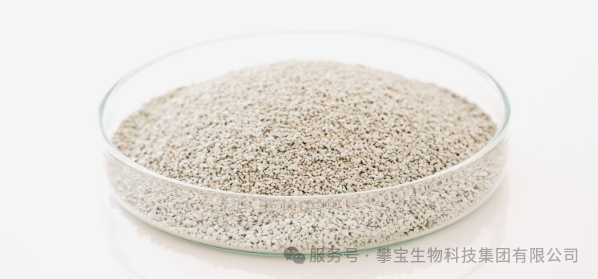
In agriculture, zeolites are extensively utilized to enhance fertilizer efficiency and reduce greenhouse gas emissions. Recent studies demonstrate that incorporating 10% clinoptilolite into soil significantly boosts CEC (calorific equivalent capacity) from 12 cmol·kg⁻¹ to nearly 30 cmol·kg⁻¹, resulting in approximately 50% reductions in ammonia and nitrous oxide emissions. Concurrently, nitrate concentrations nearly double, indicating enhanced nitrogen retention capacity. These findings suggest that by modifying soil physicochemical properties, zeolites can minimize nitrogen loss without compromising crop absorption, achieving a win-win scenario for both agricultural productivity and environmental benefits. Beyond soil improvement, zeolites show promising applications in animal nutrition. Research indicates that cationic zeolites effectively adsorb mycotoxins (e.g., Zearalenone) in feed, significantly reducing their accumulation and toxicological effects in animals. These achievements demonstrate that zeolites not only stabilize nutrient cycling in agricultural ecosystems but also play crucial roles in feed safety and food chain management.
IV. From Adsorption to Catalysis: The Scientific Potential of Zeolites
Zeolites serve far more than just adsorption. Their surface active sites for metal ions can catalyze organic reactions, facilitating the condensation and polymerization of amino acids or nucleotides under specific conditions. This discovery led scientists to hypothesize that zeolites and other silicon-based materials.