PANBAO NEWSZeolite: Making Fireworks Cleaner – A Scientific Revolution from Volcanic Minerals to Eco-Friendly Fireworks
During Diwali, India's night skies are illuminated by dazzling fireworks. Yet beneath this dazzling spectacle, air quality deteriorates dramatically within hours—concentrations of fine particulate matter (PM₂.₅), sulfur dioxide (SO₂), and nitrogen oxides (NOₓ) skyrocket, posing significant challenges to public health and environmental governance. Confronted with the conflict between festive celebrations and environmental protection, scientists have begun exploring: Could natural materials allow fireworks to remain brilliant without causing respiratory irritation? The answer lies in a seemingly ordinary yet scientifically valuable mineral—natural zeolite.
1.From pollution crisis to green fireworks
Traditional fireworks primarily pollute through their fuel and colorants. The formulas typically contain barium nitrate, sulfur, and metallic powders (like aluminum, copper, and strontium), which release toxic gases and heavy metal oxides when burned. These emissions not only irritate the respiratory system but also create persistent airborne particulates, directly causing the dramatic spike in air quality indices after Diwali.
To tackle this issue, the National Institute of Environmental Engineering (NEERI) under the Council of Scientific and Industrial Research (CSIR) in India has developed a new type of 'green crackers' that significantly reduces pollution emissions without compromising color or brightness. Certified by the national system and featuring a QR code traceability label, these crackers have become verifiable eco-friendly products for festive occasions.

2. Natural zeolite addition: The "molecular filter" in fireworks
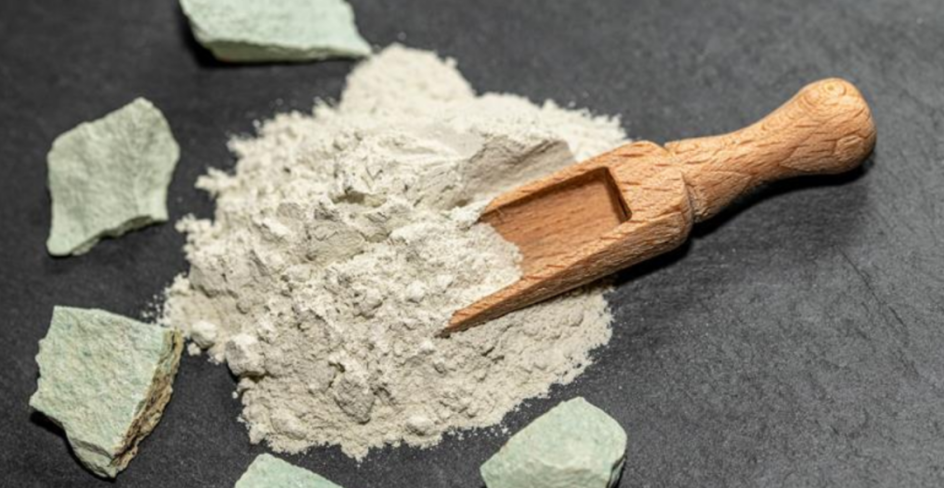
The core innovation of green fireworks lies not only in eliminating the traditional toxic propellant barium nitrate, but also in introducing natural zeolites and other inorganic porous materials. Zeolites, a type of aluminosilicate mineral formed through the reaction of volcanic ash and alkaline water, possess a regular three-dimensional pore structure and exceptional cation exchange capacity (CEC). This unique combination makes them natural gas adsorbents and effective pollutant capture media.
Zeolites play two key roles in the green fireworks formula:
Adsorption and capture of pollutants: Ammonia gas, nitrogen oxides and metal dust generated during combustion can be adsorbed by zeolite pores to reduce PM₂.₅ emissions.
Regulating combustion: Metal ions (e.g., Ca²⁺, Fe³⁺) in zeolite stabilize oxidation reactions, lowering combustion temperature and reducing nitrogen oxide (NOₓ) formation.
Meanwhile, zeolite works synergistically with iron oxide, potassium nitrate, and strontium salts to reduce PM₂.₅, SO₂, and NOₓ emissions by 30–40%, while preserving the traditional colors of fireworks.
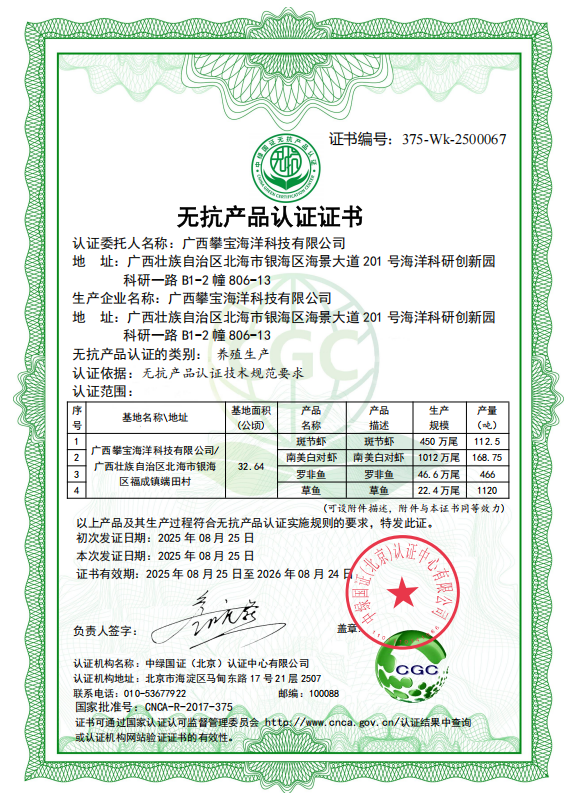
The national "antibiotic-free product certification" not only serves as an authoritative endorsement of Panbao's technical system, but also signifies high recognition of its achievements in standardizing and scientifically developing ecological aquaculture. Panbao's successful practices provide verifiable and replicable green models for the high-quality development of China's marine and freshwater aquaculture industries. Furthermore, it contributes the "Panbao Solution" to achieving China's agricultural "dual carbon" goals and advancing the modernization of aquaculture.
3. From experiment to standardized results
The Green Fireworks Project features three core product categories: SWAS (Safe Water Release), STAR (Safe Aluminothermic Pyrolysis), and SAFAL (Safe Low-Aluminum). All certified by CSIR–NEERI, these products strictly comply with emission limits set by India's Supreme Court and Pollution Control Board. Key features include: eliminating highly toxic combustion enhancers like barium nitrate, lead, and aluminum; utilizing controlled combustion materials such as potassium nitrate, zeolite, and iron oxide; and featuring unique QR code identifiers for traceable production and testing data. Experimental data shows these green fireworks reduce particulate emissions by 35–40%, maintain noise levels below 110 decibels, and significantly decrease residual metal content.

4. From Minerals to the Future: Zeolites' Greater Potential
The applications of natural zeolites extend far beyond fireworks. With their exceptional ion exchange and adsorption capabilities, these minerals have demonstrated broad potential across agriculture, wastewater treatment, and air purification. In agriculture, zeolites enhance soil cation exchange capacity while reducing ammonia and nitrous oxide emissions. In industrial settings, they effectively capture carbon dioxide and toxic volatile organic compounds (VOCs). Urban environments now utilize zeolite composites as innovative carriers for air purification and energy storage. The development of eco-friendly fireworks exemplifies this "technologization of natural materials" approach: harnessing nature's inherent structures to address pollution caused by human activities.
5. Conclusion: Making science and tradition more sustainable
From festival fireworks to soil fertility, from gas adsorption to environmental remediation, natural zeolites are emerging as a pivotal component in green technology systems. They enable more controlled chemical reactions, create gentler celebrations, and reconcile tradition with sustainability. When people gaze at the night sky, those beams of "cleaner light" symbolize not just festive occasions, but also the gentle yet profound integration of science into daily life.