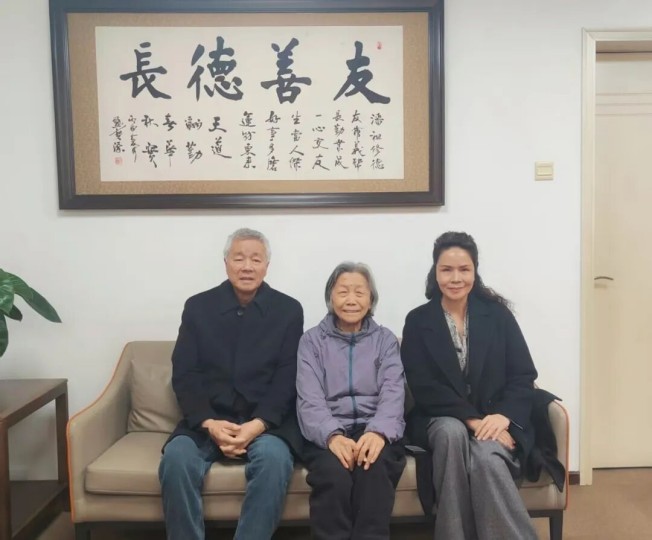
Professor Tan Yanjiu, an expert from the Department of Science and Technology of Shaanxi Province, visited Panbao Group to discuss the direction of agricultural technology cooperation in the northwest region.
On December 22, Panbao Group welcomed Professor Liang Mingzao, an expert in ecological agriculture from the Chinese Academy of Agricultural Sciences. As a leading scholar in the field of ecological agriculture, Professor Liang has dedicated decades to agricultural technology research. His proposed "Four-in-One Planting Model provides crucial theoretical guidance for the green transformation of China's agriculture. This visit not only recognizes Panbao's research and practice in the field of ecological agriculture but also builds a bridge for the deep integration of theory and industry, injecting new wisdom and vitality into the technological upgrade of Panbao's ecological agriculture.
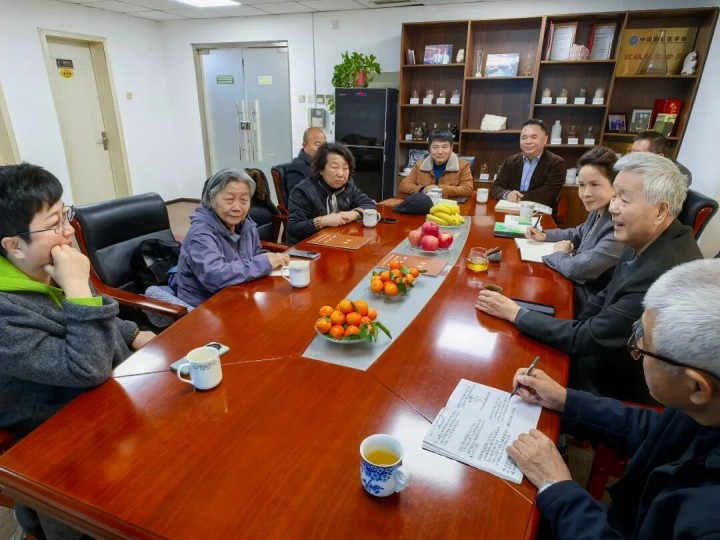
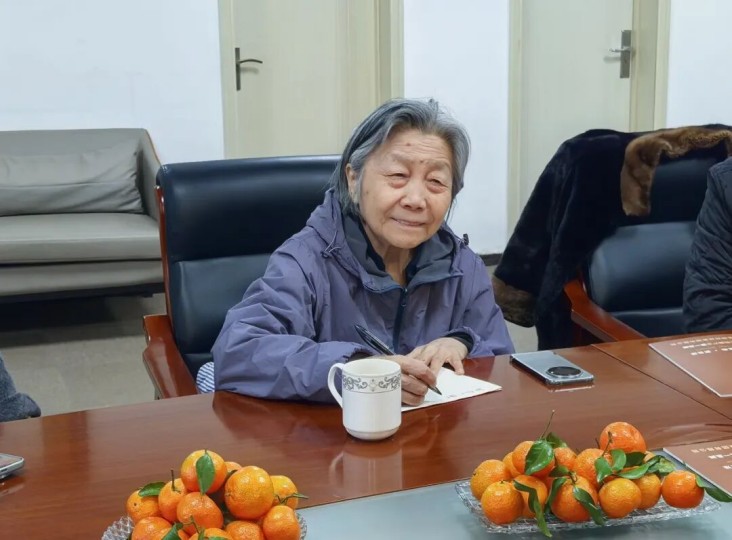
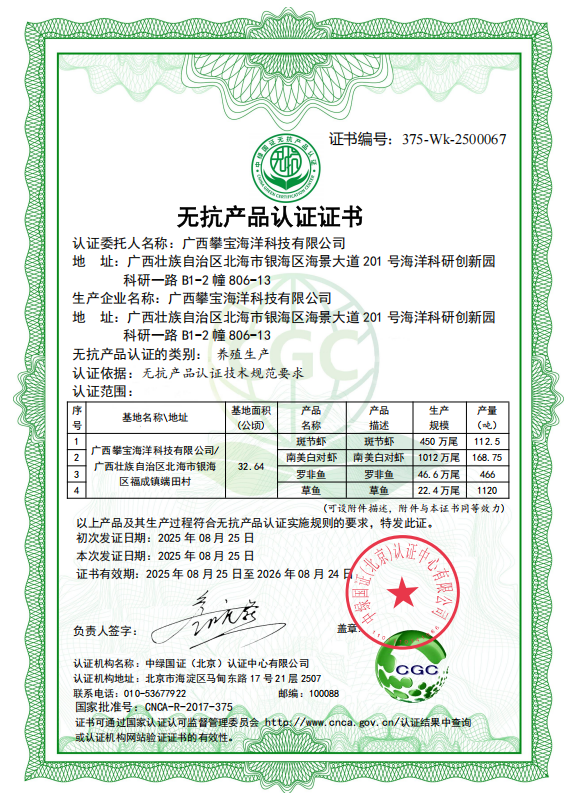
During the exchange event, Li Manjuan, President of Panbao, provided a detailed introduction to the company's core technologies and main projects to Professor Liang Mingzao and attendees. With over two decades of expertise in agricultural technology, Panbao has developed two core technological products—bioactivated zeolite and 343 bioenzyme—establishing a comprehensive technical system covering planting, breeding, and environmental protection. The bioactivated zeolite, derived from volcanic crustal materials, has a particle size of only 0.3 to 1 nanometers. Leveraging its "molecular sieve" properties, it achieves dual functions of selectively adsorbing heavy metals and releasing trace elements. This innovation not only addresses the issue of excessive heavy metals in organic fertilizers but also improves soil quality and purifies water through ion exchange. The chelation technology combining 343 bioenzyme with zeolite serves as a key solution to agricultural challenges: in livestock farming, it enables antibiotic-free high-density breeding while enhancing meat, egg, and dairy quality, strictly adhering to "zero-drug" standards; in crop cultivation, it effectively resolves heavy cropping issues, improves the efficacy of traditional Chinese herbs, and provides customized soil improvement solutions tailored to different soil conditions such as acidity and heavy metal contamination. Notably, Panbao's technology has gained recognition from Academician Li Defa, participated in national-level high-level forums, and served as a food supply unit for the Winter Olympics, establishing a high-standard quality control system. On the release date of the 2025 Central Document No.1, CCTV's agricultural live broadcast specifically reported on the practical application achievements of Panbao's technology demonstration sites, highlighting its industry influence.
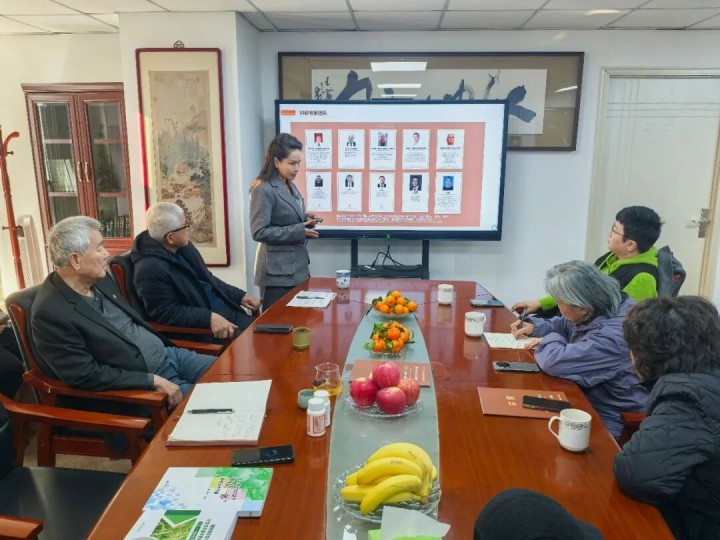
Professor Liang Mingzao delivered an in-depth interpretation of the "Four-in-One Agricultural Planting Model" at the conference. This model centers on the synergistic effects of organic materials, minerals, beneficial microorganisms, and stress-tolerant nutrients, achieving dual objectives of high yield, quality, and soil improvement through activating plant secondary metabolism. It provides a systematic theoretical framework for the development of ecological agriculture. Notably, Panbao's core technologies and product systems align perfectly with the practical pathways of the Four-in-One model. In terms of mineral application, Panbao's bioactivated zeolite naturally possesses an element reservoir advantage, providing crops with balanced trace elements that meet the model's requirement for mineral group effects. Regarding the synergy between beneficial microorganisms and bioenzymes, the company's 343 bioenzyme-zeolite chelation technology, along with the application of microbial resources such as nitrogen-fixing bacteria and potassium-degrading bacteria, perfectly matches the "organic matter-microorganisms-enzymes" collaborative mechanism in the model. For organic material recycling, the company's technology efficiently processes organic waste such as livestock manure and straw, converting them into high-quality organic fertilizers to achieve resource recycling. The core objectives mentioned by Professor Liang—enhancing agricultural product quality, improving soil, and antibiotic-free production—exactly align with Panbao's long-term practical direction. Currently, the company's technology has been scaled up for application in scenarios like soil improvement, antibiotic-free farming, and traditional Chinese medicine cultivation, with results highly consistent with the theoretical expectations of the Four-in-One model, making it a high-quality industrial carrier for the implementation of this model.
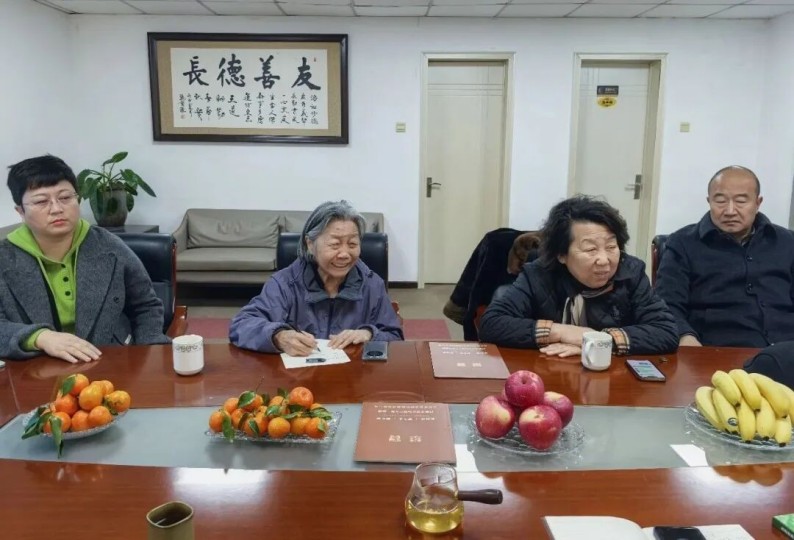
During the exchange, Professor Liang Mingzao highly commended Panbao's technical capabilities and implementation achievements, affirming that the company's products and technological system provide a practical industrialization solution for the four-in-one model. Both parties engaged in in-depth discussions on topics such as ecological agriculture promotion, technological innovation upgrades, and market application expansion, reaching multiple consensus points. Moving forward, Panbao will adhere to Professor Liang Mingzao's theoretical guidance to deepen technological innovations in bioactivated zeolites and 343 bioenzymes, refine its national pilot layout and international technical cooperation, and leverage the Science and Technology Small Yard platform to translate more research outcomes into practical field solutions. This will address agricultural challenges such as food safety, soil degradation, and insufficient drug efficacy, contributing to rural revitalization and sustainable agricultural development, thereby enabling the benefits of ecological agriculture to reach more producers and consumers.