On June 8, 2026, Ningxia Bisan Winery Co., Ltd. launched a soil improvement and tree revitalization experiment project for a 67-mu (approximately 11 acres) Chisella vineyard at the Gezi Mountain site on the eastern foothills of Helan Mountain in Qingtongxia City. The plot consists of typical pre-mountain alluvial gravelly saline-alkali soil, which has long suffered from severe salinization, low organic matter content, poor water and nutrient retention capacity, root system degradation, and weakened plant vigor—issues that have significantly hindered the stable growth and fruit quality of five-year-old Chisella vines.
[Comprehensive Improvement Experiment of Xila Vineyard on the Eastern Slope of Helan Mountain]
I. Project Background
This plot is situated in the piedmont alluvial zone on the eastern foothills of Helan Mountain, characterized by predominantly gravelly sandy soil with pronounced salinization and structural deficiencies.
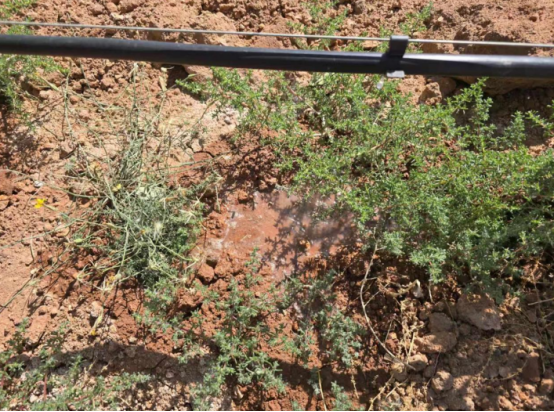
Significant salt deposition is observed on the surface, with persistent white salt frost formation.
The soil pH is alkaline, and the availability of trace elements (iron, zinc, magnesium) is limited.
There is a severe shortage of organic matter, and there has been a long-term reliance on uncomposted organic fertilizers and chemical fertilizers.
The soil has large pores, poor water and nutrient retention capacity, and a fertilizer utilization rate of less than 30%;
The root system is susceptible to salt stress and pathogenic infections, posing risks of root rot and nematode infestation.
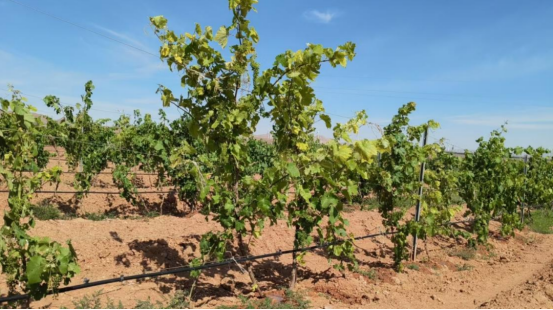
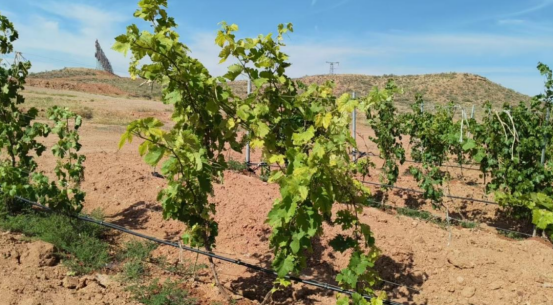
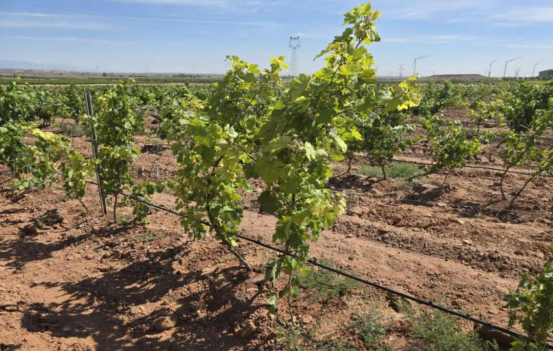
Meanwhile, the five-year-old Syrah grapes in the orchard exhibited typical signs of degeneration, including yellowing of new shoots, scorched leaf margins, poor flower bud differentiation, and reduced fruit set rates.
II. Core Objectives of the Project
Soil improvement: Continuously neutralize soil alkalinity and eliminate surface salinity; break up compaction in gravelly soils, reconstruct stable aggregate structures, and enhance water retention, nutrient storage, and mineral accumulation capacity of sandy soils; remove surface salt coatings, optimize soil microbial communities, and reduce the incidence of root rot and nematode infections in Syrah grapes at the source.
Soil quality enhancement: By supplementing organic matter and trace elements, this approach activates immobilized mineral nutrients in the soil, adjusting its parameters to meet the optimal cultivation standards for five-year-old Syrah grapes on the eastern foothills of Helan Mountain. It addresses nutrient-deficiency-induced yellowing in plants, improves mineral accumulation in fruits, and highlights the distinctive terroir characteristics of Syrah black grapes and pepper varieties.
Cyrilla tree rejuvenation: Alleviates root stress caused by saline-alkali conditions, inhibits weed competition, promotes the development of main roots beneath the trunk and extensive fibrous root growth; results in robust new shoots with dark green, dense leaves, balanced flower bud differentiation, reduced flower and fruit drop, and stable yield per mu.
Regional Technology Demonstration: A comprehensive improvement plan was developed for the Gedi Mountain gravelly saline-alkali soil site and the five-year-old Dulong Gan Syrah vineyard system, meticulously documenting material consumption, drip irrigation application techniques, and annual growth data, establishing a replicable and scalable standardized soil management model for Syrah cultivation at the Helan Mountains' eastern foothills.
III. Implementation Path for the Technical Solution
This trial was conducted following a phased, zoned management approach with controlled validation.
1. Root system restoration phase (June 8): Apply Panbao 343 bioenzyme at a rate of 40 kg per mu, divided into two applications via the drip irrigation system (at a dilution ratio of 1:100) to alleviate salinity stress and enhance root activity.
2. Nutritional Regulation Stage (June 13): Apply a multi-element chelated water-soluble fertilizer combined with bioenzymes at 2 kg per mu (diluted at a ratio of 1:50) to supplement medium and trace elements and improve leaf nutritional status.
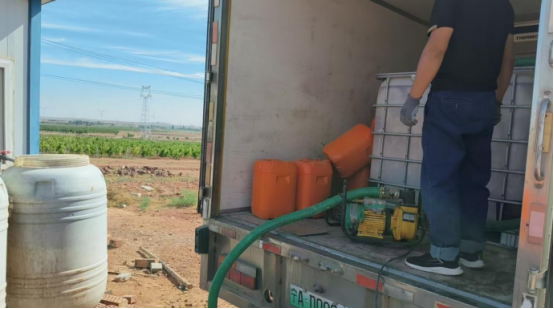
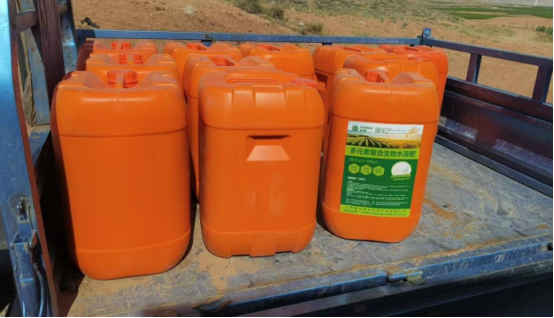
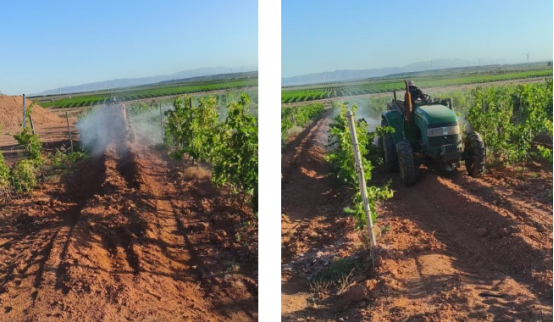
3. Control Strengthening Experiment (June 15): Within the 67-mu experimental area, 25 representative grape trees were selected (including 10 plants with slightly weak growth, 6 with severe root wilting, and 9 with declining vigor) for a mineral organic fertilizer control experiment, focusing on verifying its improvement effects in rocky saline-alkali soils.
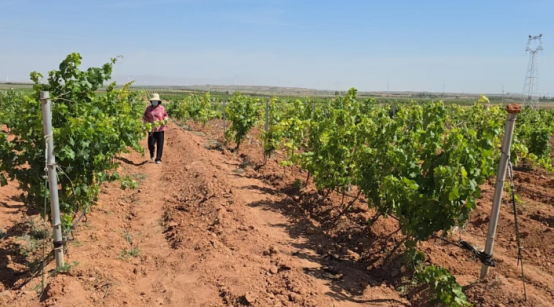
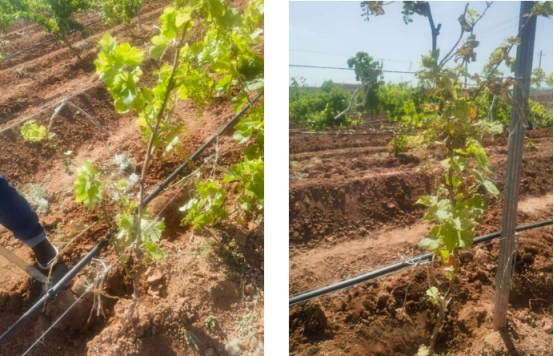
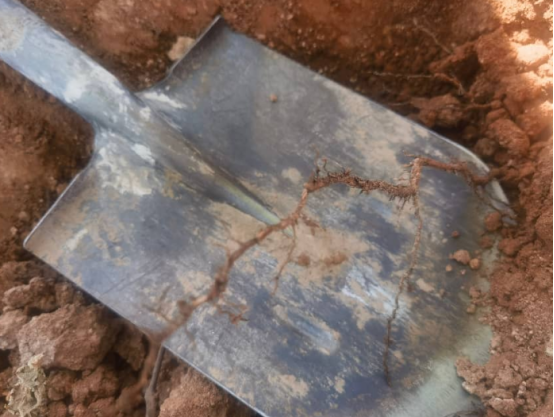
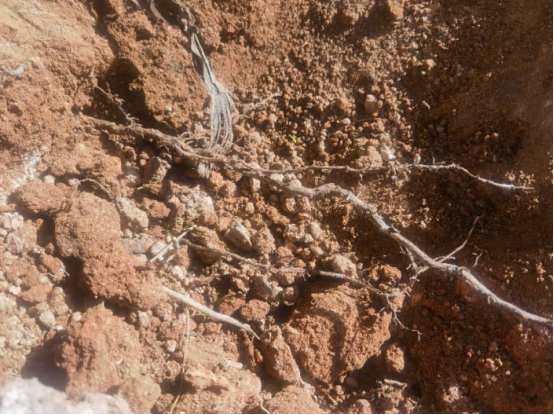
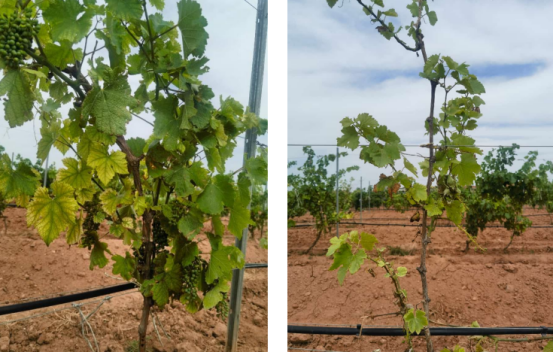
Director Liu, project lead of the Banjie Winery, reported that after continuous nutritional intervention, significant changes were observed in the growth status of the experimental grapes (on day 6): the tree color markedly turned green. Under the action of Panbao 343 bioenzyme, the grape root system gradually resumed growth and became capable of fully absorbing supplemented nutrients, while the grape leaves exhibited noticeable vitality.
IV. Phased Field Performance Observation
Throughout the trial implementation, technicians continuously monitored and recorded the conditions of both the grapevine root systems and leaves.
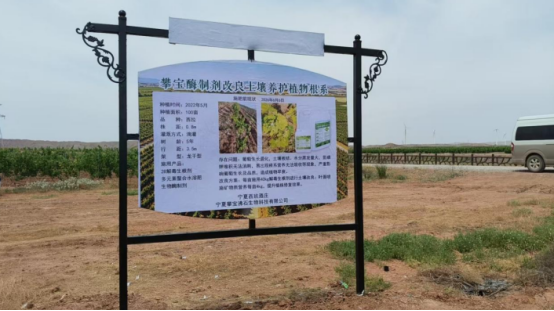
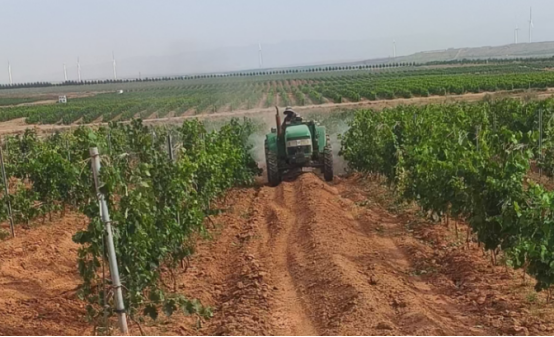
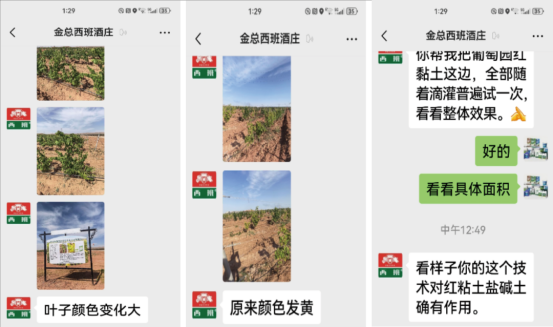
On the sixth day after application, the leaf color of some plants began to change from yellow to green, and the plant vitality improved.
The root system gradually restores its absorption capacity, leading to improved nutrient uptake efficiency.
The blades gradually expand, with improved thickness and glossiness.
During the 13-day observation period, the leaves became significantly thicker, and the overall tree vigor showed signs of recovery.
Field observations demonstrated that, under the synergistic effect of Panbao 343 bio-enzyme and mineral nutrient system, grape root systems gradually regained their growth capacity, plant water and fertilizer absorption efficiency significantly improved, and the trend of plant decline was partially alleviated.
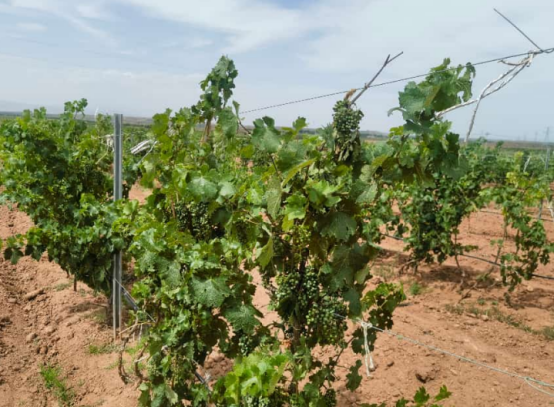
Based on the current field data, this trial conclusively demonstrates that Panbao's integrated technical approach combining soil improvement, fertility enhancement, and tree vigor restoration can effectively optimize the structure of saline-alkali gravel soils and the growing environment, providing a validated technical pathway for fertility recovery and tree vigor enhancement in the Xila vineyard on the eastern foothills of Helan Mountain. Moving forward, Panbao Biological Group will continue monitoring data changes on the experimental plots and progressively expand the application of these technologies across more grape-growing regions and specialized agricultural areas, thereby offering sustained technical support for green transformation and sustainable development in regional agriculture.